Know when it's time to get a new battery for your e-bike:
I ride daily and observe how my electric bike behaves. The battery is an expensive part, and when it starts to lag, I notice shorter range and sluggish acceleration after a full, fully charged pack.
I set realistic expectations: modern lithium packs often give four to six years with care, or about 700–1,000 cycles. Still, time and cycles reduce capacity, so I track voltage, charge routines, and storage conditions to extend life.
In this guide, I share simple checks I use—proper charging, a voltage check, and a controlled test ride—to distinguish between true pack decline and charger or motor mismatches. Spotting early signs helps me plan a swap or consider reputable rebuild services before getting stranded.
Why I Wrote This How-To Guide on E-Bike Battery Health and Replacement
I wrote this guide because, in my experience, the hardest part of owning an e-bike is telling when the pack is still healthy and when it quietly costs you range and performance.
Batteries are central to an electric bike and among the most costly parts. Real-world life varies by how far you ride, how you charge, the terrain, and the weather. High-quality packs can still retain about 80% of their capacity after 700 cycles, and proper care can extend their useful life to 800–1000 cycles.
What I want to do here is give a simple, repeatable way to check pack health so you can plan on your terms, not during a commute. I share clear checks, simple tools, and plain comparisons to how the bike felt new.
- I explain the small habits that extend life and the common mistakes that shorten it.
- I demonstrate how to identify subtle shifts in day-to-day performance before they escalate into failures.
- I outline how to distinguish between battery issues and other bike quirks, so you don’t swap parts unnecessarily.
The tone is friendly and practical. My goal is to save you time and stress, and help you get the most value from every pack on your rides.
The Telltale Signs Your E-Bike Battery Is Fading
I started tracking small drops in range after a few hundred rides and learned to spot early trouble fast.
https://www.youtube.com/watch?v=1THL6kGNnu8
Common telltale signs include a reduced range even after a full charge, significantly longer charge times, and sudden power cutouts under load. I watch these closely because they point to real capacity loss rather than a loose connector.
- A reduced range immediately after a full charge is one of the clearest signs of capacity decline.
- Charging that stalls or never reaches a full charge suggests that the cells or charger are failing.
- Irregular power drop-offs under heavy load conditions indicate voltage sag or protection trips.
- Visible swelling or bulging of the case is a safety risk—stop riding and recycle the pack.
- Display errors and inconsistent performance prompt me to check connections, then measure the pack voltage.
"If the case looks swollen, treat it like an emergency and remove the pack safely."
| Symptom | What I do | Likely cause | Action |
|---|---|---|---|
| Shorter range | Measure range on a test ride | Cell capacity loss | Plan replacement |
| Slow or failed charge | Try an alternate charger | Charger or pack fault | Test voltage with a multimeter |
| Swelling / casing damage | Stop use immediately | Internal cell failure | Recycle safely |
How to Check My E-Bike Battery Health Step by Step
To test pack health, I run a controlled routine that removes guesswork. I start by charging with the model-matched charger and letting the cycle finish so the cells balance properly.
Start with a controlled full charge using the correct charger
I wait for the charger LED to go from red to green before touching the pack. That signal typically indicates that the charger has completed balancing and the pack has reached its full charge baseline.
Measure voltage with a multimeter to verify a “fully charged” baseline
I use a multimeter to confirm the pack voltage right after charging. This gives a clear number to compare with the spec sheet and my earlier notes.
Do a real-world range test ride and compare to the new bike's performance
I plan a test ride on the same route, with the same assist levels and tire pressure. I log miles and battery percentage at checkpoints to track range trends accurately, rather than guessing.
Account for temperature: cold-weather range drop vs. true degradation
Temperature matters. I test when the pack is between about 50°F and 75°F and avoid charging below 32°F. Cold can cut apparent range, so I rule out temperature effects before deciding the pack lost capacity.
- Use the correct charger and allow it to complete its balancing routine.
- Verify the voltage with a multimeter after the battery has been fully charged.
- Repeat comparable rides and log range to spot real decline.
- Check contacts and mounts for loose or corroded connections that can cause a drop in system voltage.
If the case shows swelling or odd heat, stop riding and handle the pack safely.
What Speeds Up Battery Wear: Temperature, Charging Habits, and Use
My experience shows that care and climate shape practical lifespan more than mileage alone.

Heat is the enemy. I store and charge around 50–75°F when possible. High temperatures, combined with a fully charged state, accelerate lithium cell fade.
Partial charge for storage
For long-term storage, I keep packs at a humidity level of 40–60% and top them up every couple of months. That range reduces stress and slows the loss of capacity over time.
Avoid frequent deep discharges.
I avoid letting the pack drop to zero. Shorter, more frequent top-ups help. I also let the charger finish its balancing cycle before unplugging.
Match charger voltage to protect cells
Always use the correct charger voltage and spec. Mismatched chargers can overheat cells or trip the BMS, potentially shortening their useful life.
"Treat temperature control and proper charging as daily habits — they repay you in years."
| Factor | Why it matters | Practical tip | Effect on lifespan |
|---|---|---|---|
| High temperature | Speeds chemical aging of lithium cells | Store near 68°F; avoid hot cars/garages | Reduces lifespan quickly |
| State of charge | Full charge at heat stresses cells | Store at 40–60% for months | Slows capacity loss |
| Deep discharges | Wear from full cycles | Prefer partial charges; avoid 0% | Fewer full cycles = longer life |
| Mismatched charger | Can overheat the BMS or cells | Use the manufacturer-spec charger only | Prevents damage |
Signs Your E-Bike Battery Needs Replacing
When the range drops enough to alter how I plan rides, I begin hunting for the root cause.
I watch capacity closely. If a full charge yields noticeably less range than before, it usually means the cells have aged. Many riders notice a clear decline after a couple of years, or approximately 700 cycles. Proper care can stretch the useful life toward 800–1000 cycles.
Hard triggers for me are swelling, repeated cut-outs under moderate assist, or fast range loss despite good habits. Any of those makes me stop riding until I verify the pack is safe.
- I decide to replace when my usual routes no longer allow for a comfortable buffer charge.
- I confirm pack voltage and check connectors before ordering parts so I don't swap a good unit for an electrical fault.
- I factor in years of use and estimated cycle count to pick the best time to invest in a new pack or consider a rebuild service.
"Plan the swap around riding season so you stay rolling when it matters most."
Choosing the Right Replacement Battery and Swapping It Safely
When I swap packs, I focus first on electrical fit, not just capacity or price.
Match the voltage to the bike’s system. A 48V motor and controller expect a 48V pack and a 48V-rated charger. Using the wrong voltage can underpower the motor or damage electronics.
Amp-hours and watt-hours matter too. Amp-hours indicate how long the pack can deliver current, while watt-hours (V × Ah) provide a clear comparison of capacity between packs.
Compatibility: connectors, mounts, and BMS
I verify the mount type, case shape, and connector pinout to ensure the new unit installs cleanly. I also ensure that the replacement’s BMS is designed for my model to maintain cell balance and protect the system.
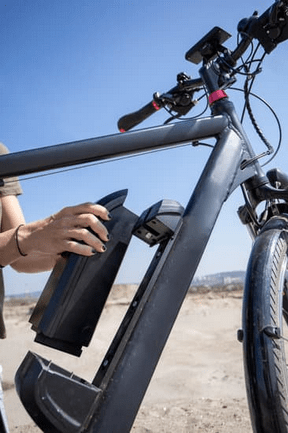
Safe replacement steps
- Power down the bike and remove the key if equipped.
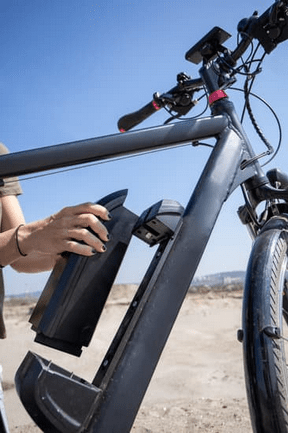
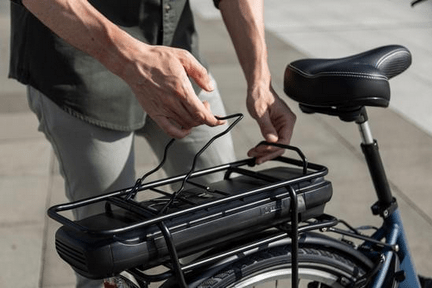
- Unlock and lift the old pack straight out; avoid tugging on wires.
- Seat the new pack fully, lock it, then verify charge indicators before riding.
Use the original or approved charger. Manufacturers tune charge profiles and voltage limits, so using the correct charger protects the lifespan and prevents damage.
"Make sure connectors are clean and keep the old pack for proper recycling or drop-off later."
After Replacement: Care Tips and Responsible Recycling
After I install a new pack I treat it like a fresh engine and set simple habits to protect its lifespan. Good routines help maintain steady performance and reduce the risk of early damage.
Charging habits that maximize life
I let hot packs cool before I start charging. Charging immediately after a long ride can stress cells and shorten their lifespan.
I unplug the charger once the unit reaches full to lower long-term strain. I also never leave it on endlessly overnight.
I use the original charger whenever possible and check cords for wear. The right charger maintains healthy voltage and balance.
Storage, transport, and water protection
For long breaks, I store the pack at about 40–60% charge and check it every month or two. This reduces cell stress and maintains overall health at a higher level.
I remove the pack when I put the bike on a car rack so it stays dry and secure. I never use a pressure washer near contacts or seals; water intrusion can cause damage or a later damage battery scenario.
"Treat charging and storage as simple habits — small steps save you time and money later."
| Action | Why it matters | Quick tip |
|---|---|---|
| Cool before charging | Prevents heat stress on cells | Wait 20–30 minutes after rides |
| Unplug when full | Limits the overcharge time | Set a reminder if needed |
| Store at 40–60% | Reduces long-term capacity loss | Top up monthly in storage |
| Use original charger | Ensures correct voltage and balance | Keep charger receipts and specs |
- Recycle old lithium units at approved e-waste centers or bike shops — never throw them in household trash.
- I keep purchase receipts and spec sheets handy for warranty or future service requests.
Conclusion
I rely on clear numbers and basic habits to maintain steady and predictable power. ,
Ensure I charge smartly, store near 68°F, and avoid deep drains so a pack can last for years. I track charge cycles and note capacity trends to determine the actual lifespan, rather than guessing from a single ride.
When range loss, slow charging, or cut-outs appear, I run a volt check before buying. I plan swaps for the right season and select a model-specific pack, allowing the bike to regain steady power and range.
In short: care for the pack you have, recycle old units responsibly, and enjoy the smoother ride that proper habits buy over time.
DISCLAIMER
This document is provided for general information purposes only and should not be relied upon as providing legal advice, technical, or specific operational guidance to the reader, whether as to the practices described in the document or the applicable legal requirements and regulations. justelectricbikes.com expressly disclaims any responsibility for liability arising from or related to the use or misuse of any information in this document.