10 Best Bike Pumps for 2026: Top Picks for Road, Mountain, and Commuter Cyclists
A bike pump is a must-have for any cyclist who wants to keep their tires at the right pressure. Proper tire inflation helps you ride faster, avoid flats, and get more life out of your tires.
If you don't have a reliable pump, it's tough to keep your bike in good shape.
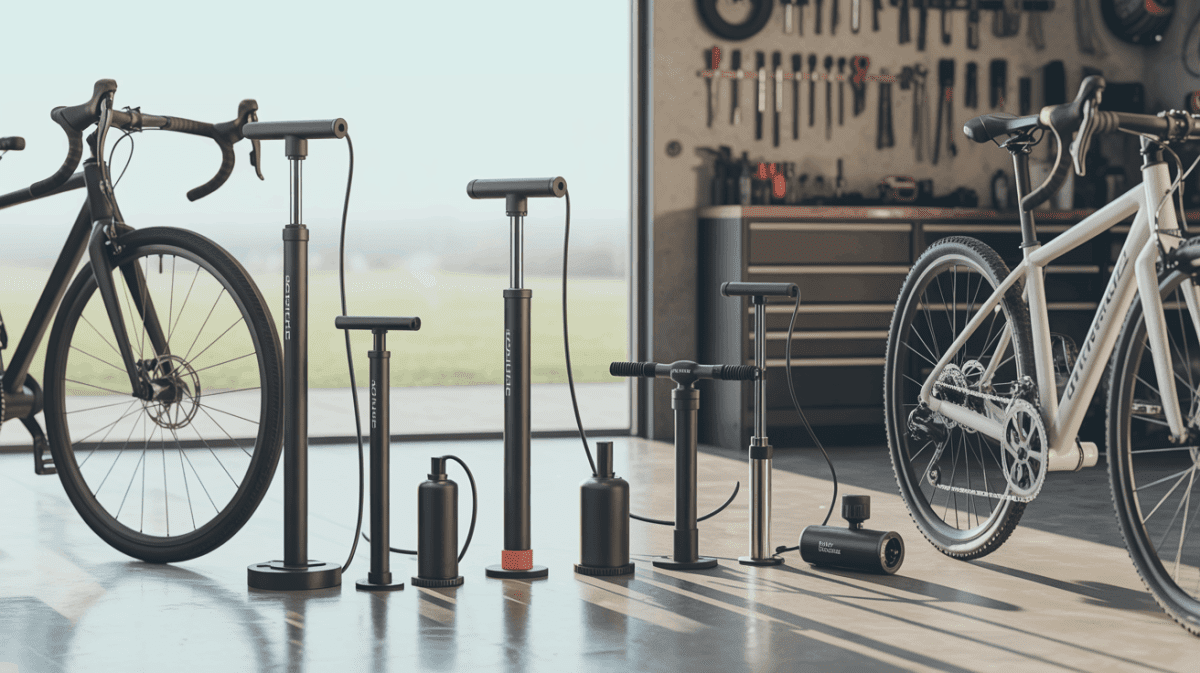
Bike pumps come in a few main types, and each serves a different purpose. Floor pumps are best at home because they fill tires quickly and with less effort.
Hand pumps are smaller, so you can toss one in a bag or strap it to your frame for roadside fixes. CO2 inflators work the fastest but you'll need to keep buying cartridges.
Each style has its own pros and cons when it comes to speed, convenience, and portability.
The main things to think about when buying a bike pump: the valve type it supports, its max pressure, and whether you want it for home or portable use.
Most bike tires use either Presta or Schrader valves, so your pump needs to match. Road bike tires need high pressure—usually around 100-120 PSI.
Mountain bike tires only need about 25-50 PSI. We tried out ten different pumps to see which ones actually get the job done for a variety of cycling styles.
Best Bike Pumps
We tested a bunch of bike pumps to find the best ones for different needs and budgets. Our favorites include floor pumps, mini pumps, and CO2 inflators that keep your tires ready for any ride.
BV Bicycle Floor Pump
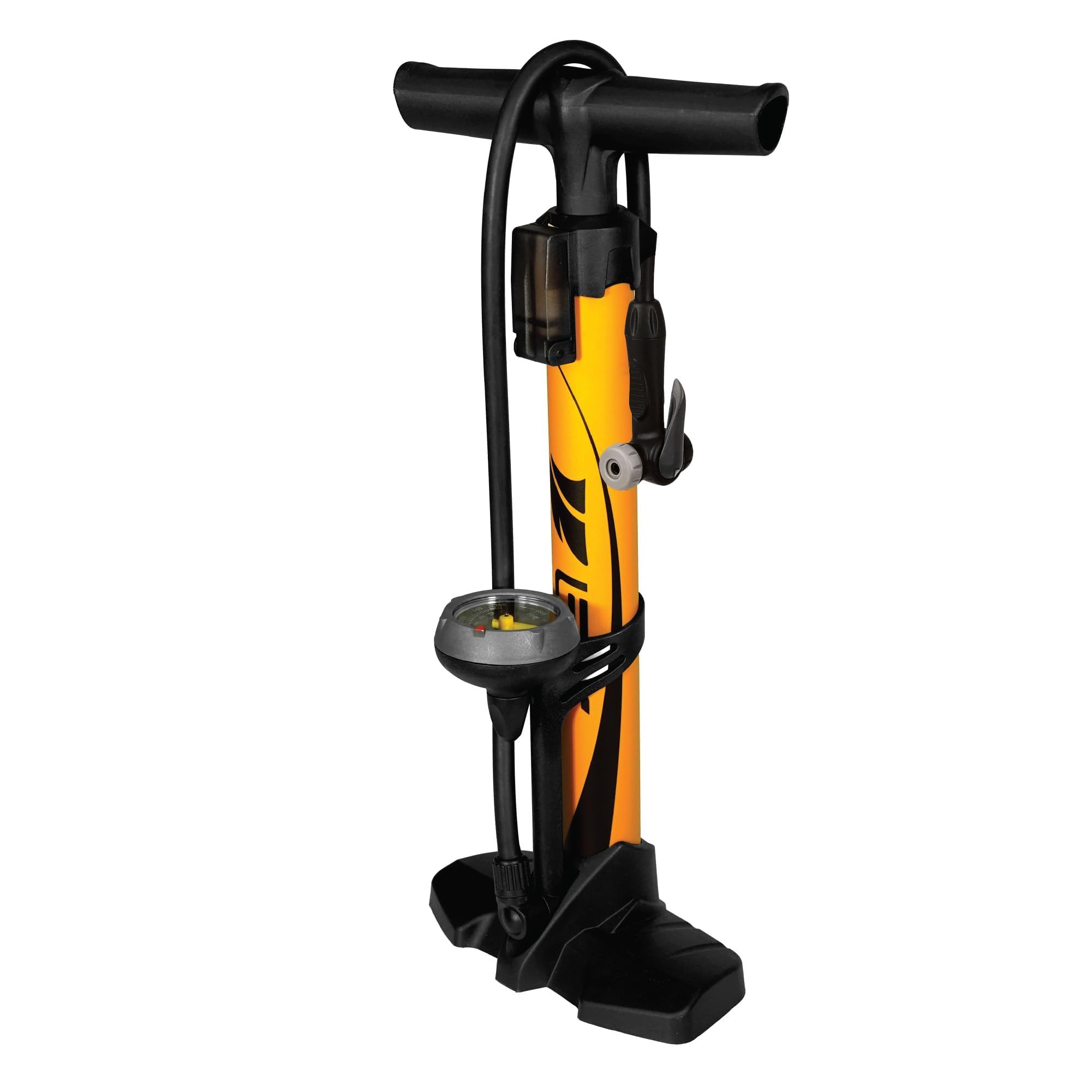
This compact pump gives you reliable, everyday performance and doesn't hog storage space.
Pros
- Works with both Presta and Schrader valves—just flip the head
- Can hit high pressures up to 160 PSI without much hassle
- Small size makes it easy to stash in tight spaces
Cons
- Short height means you have to bend over, which can be a pain
- Ball needle attachment feels a bit flimsy
- Gauge is hard to read in low light
We've used this BV pump on both our road and mountain bikes, and it handles either valve without hassle.
The reversible valve head is a nice touch. No need for adapters or digging around for extra parts—just flip and go.
The pump feels solid when you press down. We can bring tires from flat to ride-ready in a couple minutes.
The handle feels good in the hand, and the base stays put without sliding around.
At just over 16 inches tall, it's shorter than most floor pumps. If you're tall, you'll probably notice yourself hunching more than you'd like.
Honestly, a bit more height would make pumping more comfortable.
The pressure gauge is readable enough, but in a dim garage, it's tricky. We often just check tire feel as a backup.
For the price, this pump is a solid pick for casual riders who want a basic, dependable tool.
Topeak JoeBlow Sport III

This pump offers pro-level performance at a reasonable price. It's our top choice for anyone who wants a floor pump that actually lasts.
Pros
- Steel construction feels super sturdy and stands up to daily use
- The large gauge is easy to read while standing
- Head locks securely onto all valve types—no air leaks or constant fiddling
Cons
- Dual head design is bulky and tough to fit on wheels under 14 inches
- Weighs almost four pounds, so it's not the lightest if you move it around a lot
- Gauge seems accurate, but we can't say it's perfectly calibrated out of the box
We've used the JoeBlow Sport III for months, and it's become our go-to for everything—road, mountain, whatever. The 3-inch gauge sits right at eye level, so no need to crouch to check the pressure.
It reads clearly, even in a dim garage. The TwinHead DX5 works with Presta and Schrader valves, and you don't need adapters or to flip anything.
Just press it on and flip the lever. The connection stays tight, so you're not losing air halfway through.
Getting up to 100 PSI is easy, thanks to the efficient barrel design. The padded handle doesn't hurt your hands, even after a bunch of pumps.
The extra-long hose gives you plenty of reach. It swivels all the way around, so you can approach the valve from any angle without kinking the hose.
The steel base doesn't budge, even when you're pushing hard. The included ball needles are handy for inflating soccer balls and basketballs too.
The only real headache is trying to use it on a kid's 12-inch bike—the head barely fits between the spokes.
Schwinn Air Center Plus Floor Pump

This pump gives you solid performance and reliable inflation if you want a straightforward floor pump for both valve types.
Pros
- Dual-head design switches between Schrader and Presta without adapters
- The wide steel base keeps things steady, even when you're pumping hard
- Red-to-green color indicator lets you know when the head is properly attached
Cons
- Pressure gauge isn't always spot-on, so you might want to double-check if you're picky
- Handle screw can loosen up and might need a quick tighten now and then
- A bit bulky for storage compared to little hand pumps
We've used the Schwinn Air Center Plus for regular tire inflation, and it makes the job a lot faster than smaller pumps.
The color indicator is actually helpful—you can see right away if the head is locked on before you start. This simple feature keeps air from leaking out while you pump.
The pump works fine for mountain and hybrid tires. We filled up some flats in just a few minutes with barely any effort.
The longer barrel moves more air with each stroke, so you don't have to stand there pumping forever.
120 PSI is enough for most bikes, but road cyclists might notice the gauge is a few PSI off. If you're running skinny tires at high pressure, it's worth checking with a separate gauge.
The included needle and cone attachments turn this into a multi-purpose tool. We've used it on basketballs and soccer balls, which is nice if you want one pump for everything.
The steel base feels sturdy and hasn't wobbled or tipped, even when we're pumping with some force.
Panaride Floor Bike Pump
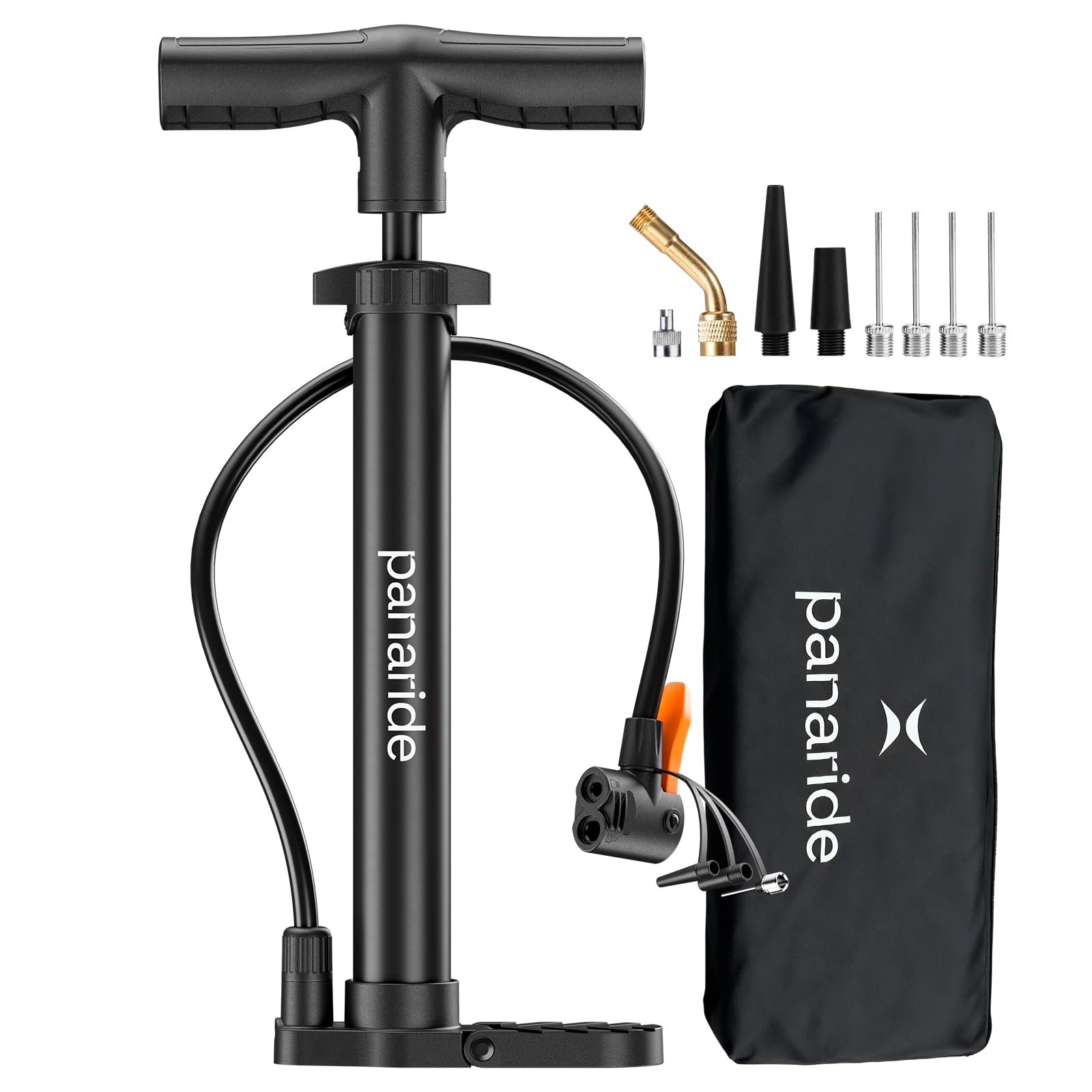
This pump works for casual riders who want a compact option. Serious cyclists might want something sturdier, though.
Pros
- Works with both Presta and Schrader valves, no fuss
- Small size makes it easy to stash or pack for trips
- Reaches 120 PSI, which covers most bike tire needs
Cons
- The short design means you have to bend over more than with regular floor pumps
- Feels a bit flimsy and might not survive heavy daily use
- Harder to keep stable on the ground when pumping high-pressure tires
We picked this up for quick inflation jobs around the house and garage. The dual valve compatibility came in handy when switching between our road bikes and the kids' mountain bikes—no hunting for adapters.
The pump inflates tires without much hassle. The compact size is great for storage, but using it means crouching pretty low since it's only a few inches tall.
Build quality seems fine for the price. The foot pedestal helps, but the pump still shifts a bit if you're really cranking on it.
We've used it on stroller tires and soccer balls too. Those were easy since they don't need much pressure.
Fanttik X9 Ace Mini Bike Pump

This electric pump offers fast inflation and smart design touches. If you need reliable tire pressure on the go, it's worth a look.
Pros
- The all-in-one hose design lets you switch between valve types with a twist—no loose parts
- It inflates tires super fast, filling a road bike tire in under two minutes
- The 5000 mAh battery inflates up to eight tires before you need to recharge
Cons
- Heavier than some portable pumps, so not the best for carrying on long rides
- The short nozzle feels awkward at first, especially with some valve angles
- Only works for bicycles—no luck with other inflatables
We tested this pump on a bunch of bikes, and it handled everything we tossed at it. The automatic shutoff stopped right at our set pressure every time, so there was no need to babysit it.
Setting the pressure was easy. Not having to watch the gauge constantly felt like a real upgrade.
The integrated hose design surprised us—just rotate the valve attachment and go. The 360-degree rotating hose made connecting to valves in tight spots way less annoying.
We noticed the extra weight right away. It fits in a jersey pocket, but you'll feel it. Still, you get real power instead of manual pumping, which saves your arms for riding.
The cooling system came in handy. We inflated six tires in a row, and the pump stayed cool and kept running without any breaks.
TOOLITIN Floor Bike Pump

This pump delivers quick inflation with a stable base and a clear gauge. It's a solid choice if you pump up bikes and sports equipment often.
Pros
- The aluminum barrel moves a lot of air fast, so you spend less time pumping
- Heavy steel base with rubber padding stays put on the ground
- Detachable accessory box keeps valve adapters and needles from getting lost
Cons
- The hose and nozzle connection feels less sturdy than the pump body
- Removing the gauge cap during inflation can be a bit awkward
- Handle attachment could be more secure for heavy use
This pump handles everyday inflation jobs without any drama. The aluminum build makes each stroke efficient, and we got our bike tires up to pressure faster than expected.
The gauge sits right where you can see it, taking the guesswork out of PSI. The base stands out—it stayed rock solid while we pumped up several tires in a row.
That rubber on the bottom grips almost any surface, whether concrete or wood. The accessory box is a clever touch that keeps tiny valve adapters from vanishing.
We used this pump on both Presta and Schrader valves with no issues. The included needles worked fine for inflating a basketball too.
Getting to 160 PSI takes some muscle, but the pump doesn't feel flimsy. Assembly took just a few minutes. The orange color makes it easy to spot in a messy garage.
At just over two pounds, it's light enough to move around but still feels sturdy when you're using it.
Topeak JoeBlow Max HP

This pump gives solid performance for basic inflation at home. It does take some effort to reach higher pressures, though.
Pros
- The TwinHead design fits all valve types, no adapters needed
- Heavy steel construction feels stable and tough
- Large gauge makes checking pressure easy
Cons
- The valve lock lever can pinch your hand if you're not careful
- High-pressure inflation takes more strokes than we'd like
- Some folks report bent Presta valve pins over time
We've used this floor pump for several months, and it keeps up with our weekly tire maintenance. The composite base stays put on the garage floor, even when we're pumping hard.
The gauge reads clearly from a standing position, so there's no constant bending down. The extra-long hose gives plenty of room to work, especially for inflating both wheels without moving the pump.
We liked that it came with ball needles since we sometimes inflate basketballs and soccer balls. The hose dock keeps those attachments from disappearing in the tool drawer.
Getting road tires up to 100 PSI takes steady effort but isn't too bad. The pump works faster on mountain bike tires that need less pressure.
The padded handle stays comfortable, even during longer sessions. Our hands did slip once on the valve lever, though.
After two years of regular use, the pump still works like new. We've inflated everything from road bike tires to car tires without issues.
The steel barrel looks the same as day one, and the gauge still matches our digital checker. Not much more you could ask for, honestly.
VIMILOLO Bicycle Pump

This pump handles basic inflation jobs well enough. Just double-check which model you’re buying—some don’t include a pressure gauge even if the photos suggest otherwise.
Pros
- The ergonomic handle stays comfortable, even if you're pumping a while.
- It works with both Presta and Schrader valves, and you get adapters for balls and other inflatables.
- Stainless steel build feels solid, and the detachable hose doesn’t mind temperature swings.
Cons
- The short height means you’ll be crouching more than you might like.
- Some versions arrive without a pressure gauge, which is pretty confusing given the listing photos.
- Not really made for heavy use or frequent pumping marathons.
Honestly, this pump punched above its weight for its compact size. The handle felt secure and didn’t slip around. Once we figured out the valve attachment, inflating bike tires was smooth sailing.
The stainless steel body handled our tests without a scratch. We liked that the hose comes off for storage. It hit the right pressure for our road bike, though it took more strokes than a big floor pump.
The height really surprised us. We had to crouch lower than usual, which gets old fast if you’re inflating a few tires in a row. Still, the compact design means it stores easily in a closet or garage.
We also tried it out on soccer balls and a basketball. The included adapters worked just fine for those. Just be sure to check the version if you want a pressure gauge—the options are a bit of a maze.
CYCPLUS AS2 Ultra Tiny Pump
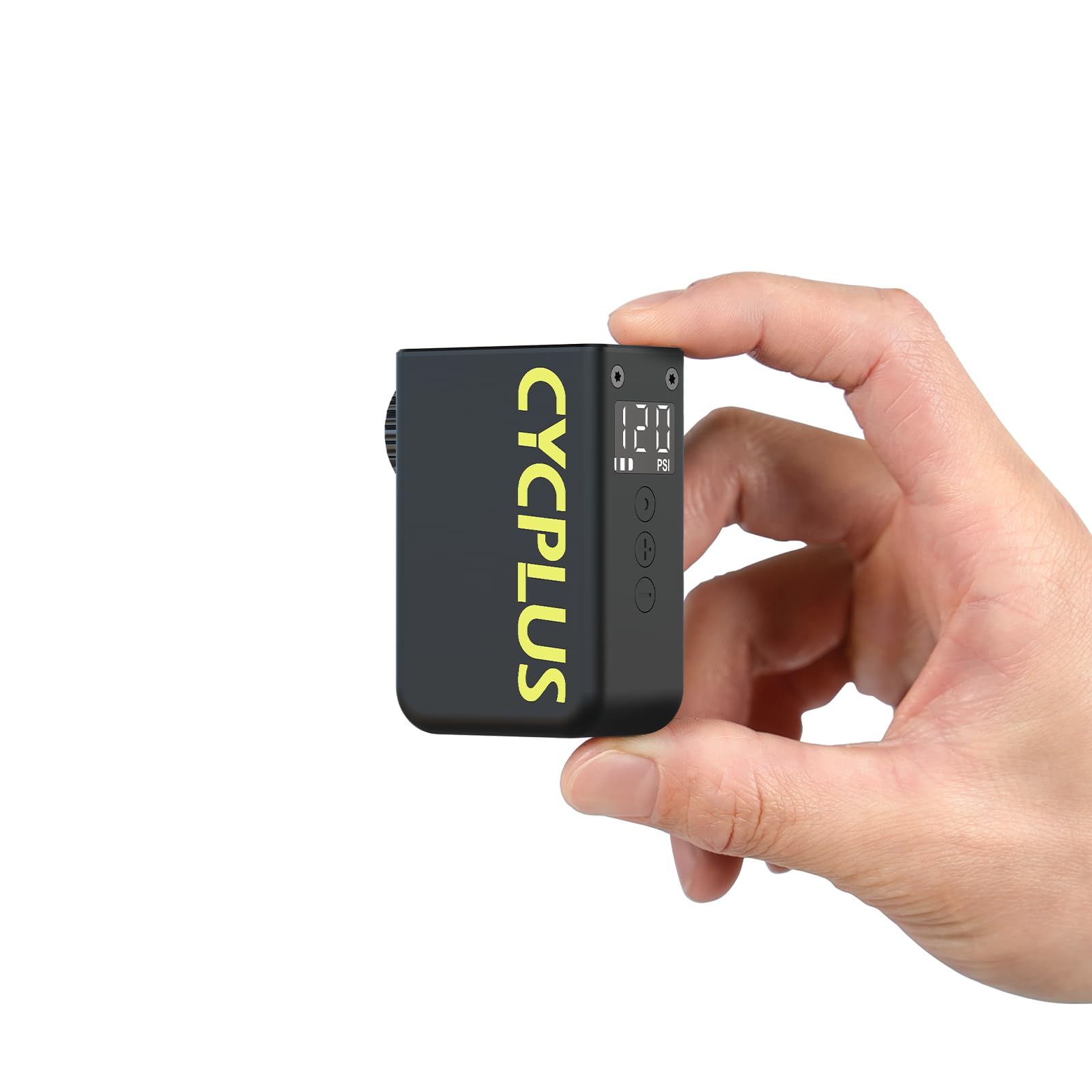
This little pump packs a surprising punch. If you’re tired of CO2 cartridges but don’t want to haul a big pump, it’s worth a look.
Pros
- At just over 3 ounces, it slips into your pocket or saddle bag.
- It’ll inflate a road tire to 120 PSI in about two minutes.
- Full recharge takes just 25 minutes.
Cons
- Gets really hot during use—even with the sleeve.
- It’s louder than you’d expect for something this size.
- Only manages two or three tires per charge.
We took the CYCPLUS AS2 Ultra Tiny Pump out on a couple of road rides. It’s honestly wild how much inflation power you get from something so small.
The pump brought our 700C tire from flat to 110 PSI in under two minutes. The LED screen showing real-time pressure was a nice touch and made it easy to keep track.
The auto shut-off worked every time. We set the pressure, hit start, and let it do its thing. It stopped right at the number we picked.
Heat is the main downside. After one tire, the aluminum body was hot enough that we were glad for the silicone sleeve. It’s also pretty noisy, but on the roadside that didn’t bother us much.
The battery lasted for two full inflations from zero to 110 PSI, which matches the company’s claims. Charging took about 25 minutes, which is quick compared to other pumps. The included hose helped us reach awkward valves on our frame.
The CYCPLUS AS2 works with both Presta and Schrader valves. The kit comes with a bag, extra adapter, and even a ball needle. For anyone wanting a reliable backup without lugging bulky gear, it gets the job done.
CYCPLUS AS2 PRO Mini Electric Pump

This pump puts serious inflation power in a tiny package that fits in your jersey pocket. If you want to ditch manual pumping and CO2 cartridges, it’s a solid investment.
Pros
- Easy to stash in a pocket or bag, and weighs just over four ounces.
- Inflates tires quickly, with auto shutoff at your chosen pressure.
- Full recharge in 30 minutes, good for at least two full tire inflations.
Cons
- Costs a lot more than traditional hand pumps.
- Not waterproof, so you’ll need to protect it if it rains.
- Takes up more space than a single CO2 cartridge.
We tried the CYCPLUS AS2 PRO on both road and mountain bikes. It handled everything we threw at it. The LED screen shows your current pressure while pumping, so you can just set your target PSI and let it work.
It filled a standard road tire faster than we expected for something so small. Not having to pump by hand on the roadside was a relief. It’s compatible with both Presta and Schrader valves out of the box.
Battery life was impressive. After a full charge, we inflated two flat tires and still had juice left. The included flexible hose made it easier to reach awkward valve spots.
The price might give you pause. Still, we kept reaching for this pump instead of our usual ones because it’s just so convenient. The silicone case and waterproof storage bag help keep it safe during rides.
Buying Guide
When we’re shopping for a bike pump, it’s important to know which valve type our bike has. Most bikes use either Presta or Schrader valves. Some pumps handle both, while others need an adapter.
Pump Types
Pick a pump based on where you’ll actually use it. No sense hauling a floor pump on a ride, right?
| Pump Type | Best For | Pros | Cons |
|---|---|---|---|
| Floor Pump | Home use | Fast inflation, easy to use, accurate gauge | Not portable |
| Mini Pump | Rides and travel | Lightweight, fits in bag | Slower, requires more effort |
| CO2 Inflator | Emergency repairs | Very fast, compact | Cartridges cost money, single use |
| Electric Pump | Convenience | No effort needed, precise pressure | Heavier, needs charging |
Key Features to Consider
Pressure gauge lets us hit the right PSI. We’d go for a pump with a clear, easy-to-read gauge every time.
Max PSI rating matters. Road bikes often want 100+ PSI, mountain bikes less.
Hose length impacts usability. A longer hose gives more flexibility while pumping.
Build quality affects how long the pump lasts. Metal parts usually outlive plastic ones.
Weight and size are big deals if you’re carrying the pump. Mini pumps should be light enough that you barely notice them.
Frequently Asked Questions
Picking the right pump comes down to valve type, your tire pressure needs, and where you’ll actually use the thing. Each pump type shines in its own way, whether you’re fixing a flat on the roadside or topping off tires at home.
What is the best type of bike pump for road bikes with Presta valves?
Floor pumps are best for road bikes with Presta valves. They reach high pressure quickly and accurately—pretty essential when you need 80-130 PSI in skinny tires.
Look for a pump head that locks onto Presta valves without an adapter. That way, you get a solid seal and don’t lose air. A built-in gauge makes it easier to hit the exact PSI you want.
Which portable bike pumps offer the best balance of size, durability, and pumping efficiency?
Mini pumps between 6-8 inches long strike the right balance. They fit in a jersey pocket or on your frame without weighing you down.
Aluminum bodies last longer than plastic. We’d suggest pumps with at least a 100 PSI rating for road bikes. If you can get one with a fold-out handle or T-grip, your hands will thank you after a few minutes of pumping.
Are electric mini bike pumps reliable for reaching high PSI on road tires?
Electric mini pumps can reach 100-120 PSI on road tires. They're slower than manual floor pumps and usually cost quite a bit more.
Battery life is a real concern if you need to inflate several tires in one go. Most electric pumps only manage 2-4 tires per charge.
They do fine with gravel and mountain bike pressures (30-60 PSI). But when it comes to high-pressure road tires, they're not exactly quick or efficient.
What features should you look for in a floor pump for fast, accurate inflation?
A large barrel diameter moves more air per stroke. This fills tires faster, especially for high-volume mountain bike and gravel tires.
We like pumps with stable bases that don't tip over while you're using them. An easy-to-read gauge at eye level lets you check pressure without crouching down or pausing.
Dual-head designs that fit both Presta and Schrader valves save time. No one wants to mess with adapters when they're in a hurry.
Which bike pumps work best for tubeless tires, including seating the bead?
Floor pumps with air chambers deliver the burst of air you need to seat tubeless beads. The chamber stores compressed air, then releases it all at once when you pull a lever.
Standard floor pumps usually can't create enough sudden airflow. Some people use portable air compressors, but dedicated tubeless floor pumps are cheaper and, honestly, just as effective.
Look for models with at least a 2-liter chamber capacity. That extra volume really makes a difference.
How do you choose between a mini pump, CO2 inflator, and floor pump for regular riding?
Floor pumps hang out at home. They're perfect for pre-ride inflation and those weekly pressure checks.
Honestly, they're way too big to carry around, but nothing beats them for easy, accurate inflation.
We usually grab mini pumps for fixing flats out on long rides. Sure, they weigh more than CO2 inflators, but you can use them as many times as you want—no need to keep buying cartridges.
CO2 inflators are a different story. They're great for racing or fast group rides, especially if you care more about speed than saving a few bucks.
Most folks end up with a floor pump for home and one portable option for rides. Picking your portable really comes down to what you value: unlimited use with a mini pump, or quick fixes with CO2.