How to Choose the Right Electric Bike for Your Needs: The Essential Guide
Choosing the right electric bike can feel overwhelming. There are just so many options out there.
You’ve got to think about where you'll ride, how far you'll go, and which features actually matter to you. The trick is to match the bike’s motor power, battery range, and style to your specific needs—whether that’s daily commuting, weekend trails, or just rolling around the neighborhood.
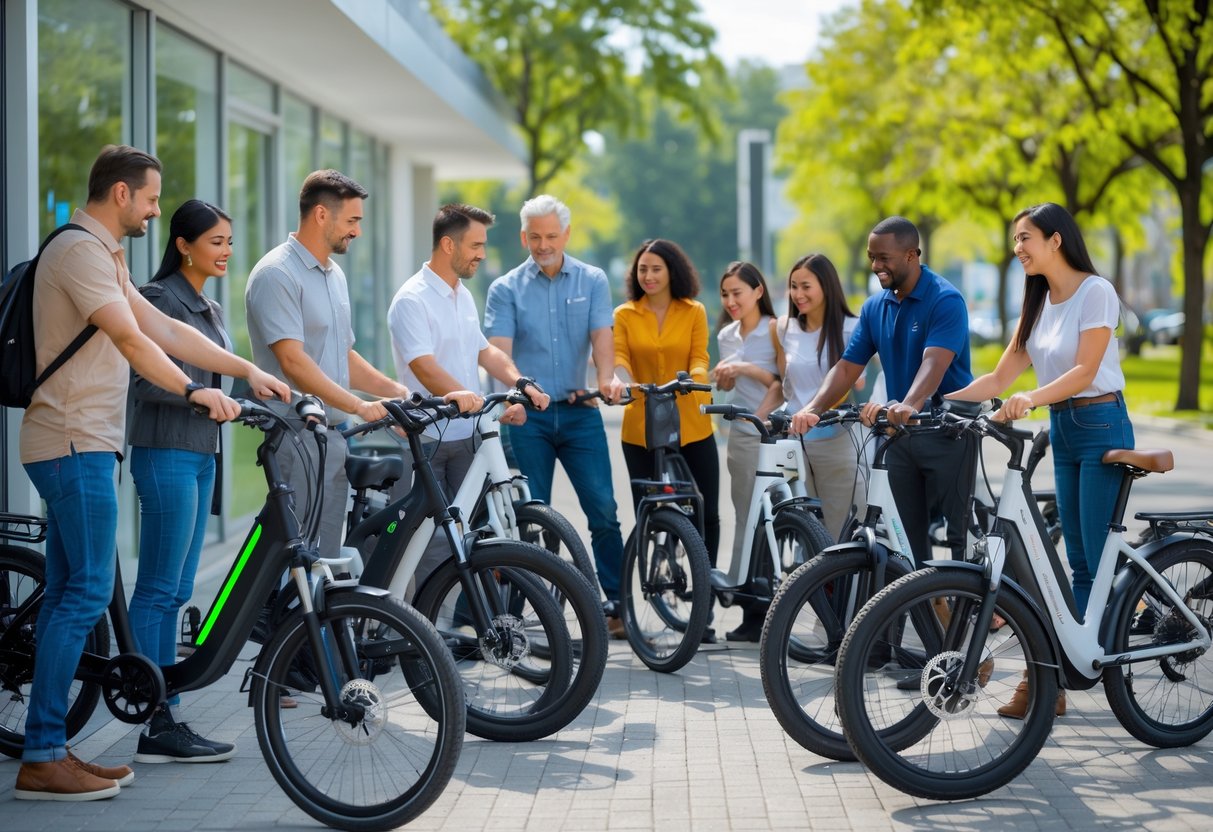
Different e-bikes serve different purposes. A commuter bike for city streets won’t cut it on mountain trails, and a heavy cargo bike definitely isn’t ideal if you have to haul it upstairs.
Once you get the hang of the basic types of e-bikes and what things like motor placement and battery capacity mean, picking one gets way easier.
Key Takeaways
- Match your e-bike type to your main riding activity—commuting, off-road, or just cruising around
- Pick a motor and battery combo that gives you enough power and range for your usual routes and terrain
- Set a budget that balances quality and the features you really need, and don’t forget to check your local e-bike laws and brand support
Identify Your Riding Needs
Before dropping cash on an e-bike, figure out how you’ll actually use it. Where do you ride? How often? Got a spot to store it?
Consider Your Typical Routes and Terrain
Your daily routes really shape what kind of e-bike makes sense. A commuter e-bike with smooth tires and upright geometry is perfect for city streets and bike lanes.
If you’re more into dirt trails or rocky paths, a mountain e-bike with suspension and thick tires will handle rougher terrain.
Got hills on your route? You’ll want a mid-drive motor with at least 500 watts. For flat areas, a 250-350 watt hub motor is usually enough.
And surfaces matter. Smooth pavement? Pretty much any e-bike will do. Gravel or mixed surfaces? Go for a hybrid e-bike with wider tires. If you’re just cruising boardwalks or flat neighborhoods, a comfy cruiser e-bike is a good call.
Assess Daily Commute or Leisure Use
How often you ride totally changes what matters. If you commute daily, you’ll want a reliable battery that covers 20-50 miles per charge and a sturdy frame for regular use.
A commuter e-bike usually has fenders, lights, and racks for your stuff. If you only ride once or twice a week, you can focus more on comfort and fun than on durability.
Weekend trail riders need a mountain e-bike with full suspension. If you’re just cruising the neighborhood, a simple cruiser e-bike works.
Hauling groceries, kids, or gear? A cargo e-bike with a sturdy frame and bigger battery is the way to go. These can handle 200-400 pounds, which is honestly impressive.
Storage and Transportation Requirements
Space is a real issue for a lot of people. Full-size e-bikes are heavy—usually 45-70 pounds—and need a garage or a strong bike rack.
If you’re in an apartment, small house, or need to store your bike at work, a folding e-bike that fits in a closet or under a desk is a lifesaver.
If you mix biking with public transit, look for a folding model that weighs 35-50 pounds and fits on buses or trains. Always check your local transit rules for e-bike size and weight limits, though.
Need to transport your e-bike by car? You’ll want a hitch-mounted rack rated for e-bike weight. Roof racks usually aren’t up for the challenge—lifting a heavy e-bike overhead isn’t fun or safe.
Understand Types of Electric Bikes
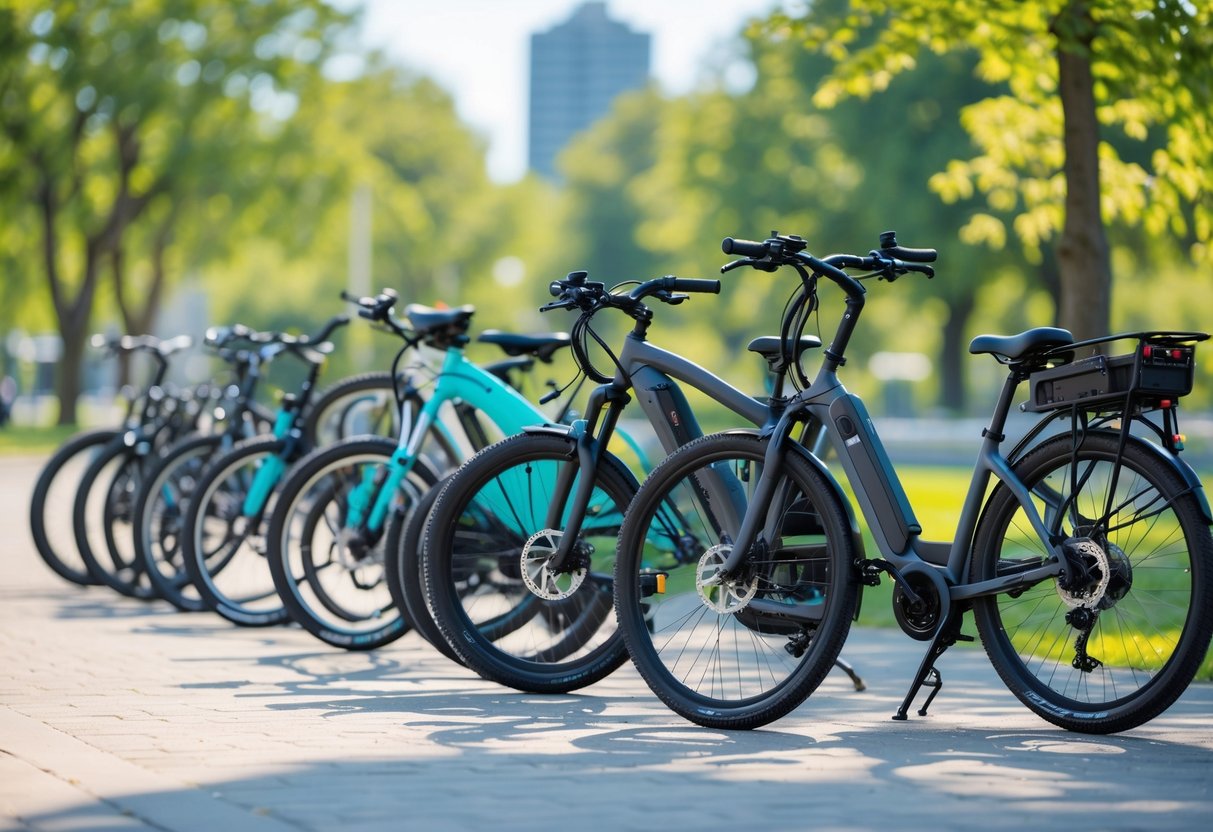
Electric bikes come in a bunch of categories, each for different riding conditions. Where and how you ride should guide your choice.
Commuter and Urban E-Bikes
Commuter e-bikes are all about daily rides on pavement and bike paths. They usually have upright positions so you can see traffic and don’t show up to work sore.
Most include lights, fenders, and racks for your bag or laptop. Prices range a lot. Entry-level models start at $1,000 to $1,500 and offer basic pedal assist.
Mid-range options go from $1,500 to $3,000, with better batteries and parts. If you want all the bells and whistles—think smartphone integration and fancy displays—expect to pay over $3,000.
These bikes usually have smaller motors (250-350 watts). That’s plenty for flat city streets. Battery range matters more—look for at least 400 watt-hours if you’re riding more than 15 miles round trip.
Mountain and Off-Road E-Bikes
Mountain e-bikes (eMTB) are built for trails, rocks, and steep hills. They’ve got suspension, knobby tires, and powerful motors with 60-80Nm of torque.
This extra power makes climbing technical terrain way easier than on a regular mountain bike. Performance models use mid-drive motors at the pedals, so the weight stays centered and balanced on rough ground.
You also get stronger brakes, which is key when you’re going faster and carrying more weight. Always check local trail rules before buying—some places don’t allow Class 2 or 3 e-bikes, or even any e-bikes at all.
Cargo and Utility E-Bikes
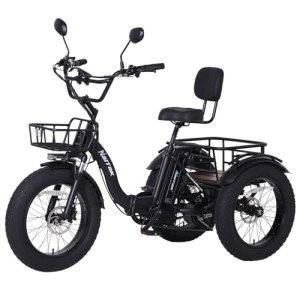
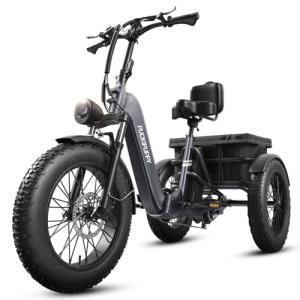
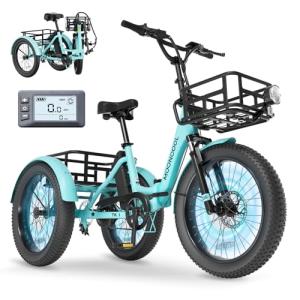
Cargo e-bikes are for hauling—groceries, kids, work gear, you name it. They’ve got reinforced frames, beefy motors (500-750 watts), and racks that can handle 50 to 200 pounds.
Some have long rear sections for bags, others have big front baskets. These bikes need bigger batteries—500 watt-hours or more—since you’re moving extra weight.
The motor should have at least 60Nm of torque for hill climbing with a load. Most cargo e-bikes come with built-in lights, cargo straps, and sometimes even running boards for passengers. Frame locks are pretty common too, which makes parking a bit less stressful.
Folding and Compact E-Bikes
Folding e-bikes are all about portability. They collapse to fit in car trunks, under desks, or on public transit, usually with 16 to 20-inch wheels and a weight of 35-50 pounds.
The trade-off is comfort. Small wheels don’t feel as stable on rough pavement, and the batteries are smaller (300-400Wh) to keep things light.
Quality really varies with folding e-bikes. Check the folding mechanism before you buy—it should lock tight and open up smoothly. Look for strong hinges and latches that can handle lots of folding and unfolding.
Choose the Right Motor and Battery
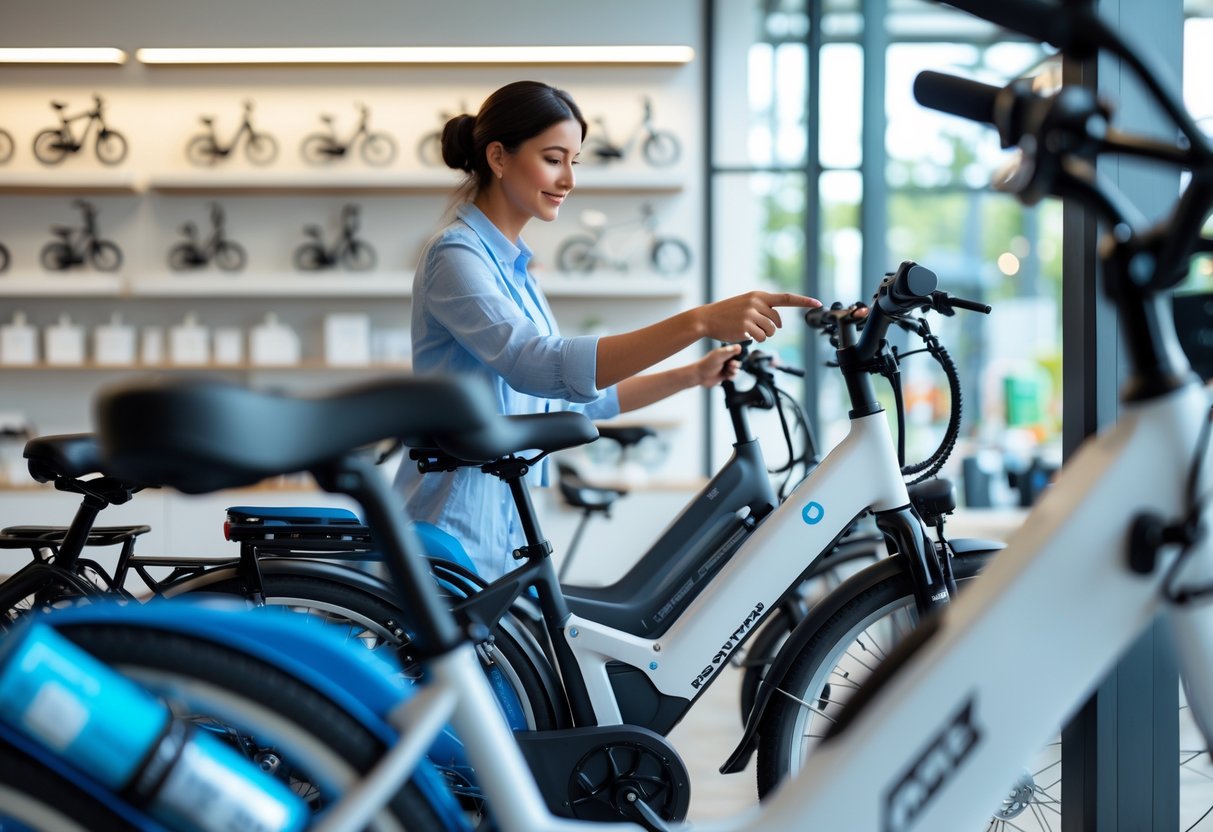
The motor and battery work together to shape how your e-bike rides and how far you can go. Motor placement changes how the bike handles, and battery capacity sets your range.
Hub Motor vs Mid-Drive Motor
Hub motors sit in the front or rear wheel and send power straight to the wheel. They’re great for flat terrain and casual riding, plus they’re simpler and usually cheaper.
Mid-drive motors mount at the crank and push power through the chain. This setup keeps the weight low and centered, and lets you use your bike’s gears for better efficiency.
Mid-drives really shine on hills and varied terrain, delivering 40-80Nm of torque. That’s a big help if you’re carrying cargo or tackling steep climbs.
Hub motors can add resistance when you pedal without power, which isn’t ideal. Mid-drives feel more natural because they match your pedal effort using torque sensors. If you’re mostly on flat roads, a hub motor is fine. For hills or rough stuff, go mid-drive.
Understanding Battery Capacity and Range
Battery capacity is measured in watt-hours (Wh). A 500Wh battery takes you farther than a 400Wh one. Most e-bikes have 400-700Wh batteries.
Actual range depends on a bunch of stuff—terrain, rider weight, assist level, wind, tire pressure. On average, a 500Wh battery gives you 20-50 miles per charge. Steep hills or high assist settings will drain it faster.
Stuff that affects battery range:
- Terrain and elevation
- Your weight and any cargo
- Assist level you use
- Weather and wind
- Tire pressure and condition
Some e-bikes let you add a second battery, which can double your range. It’s not cheap—usually $400-800—but if you hate worrying about running out of juice, it’s worth considering. Just make sure your bike supports dual batteries before you buy.
Pedal-Assist and Throttle-Assist Systems
Pedal-assist (PAS) gives you power only when you pedal. Most bikes have 3-5 levels. Higher settings give more boost but drain the battery faster.
Quality PAS systems use torque sensors to match your effort, making it feel smooth and natural. Throttle-assist lets you use the motor without pedaling—just twist a grip or press a button, kind of like a scooter.
Some bikes have both pedal-assist and throttle. Others stick to pedal-assist only, usually to meet local rules. Throttle is handy for starting from a stop or taking a break from pedaling, but it eats up battery pretty fast.
Always check your local laws before picking a throttle model—some places ban or restrict throttle-assist e-bikes.
Evaluate Key E-Bike Features and Accessories
The parts that make up your e-bike—frame, brakes, accessories—matter just as much as the motor and battery. They shape comfort, safety, and how practical your bike is for daily life or wild weather.
Frame Design and Suspension
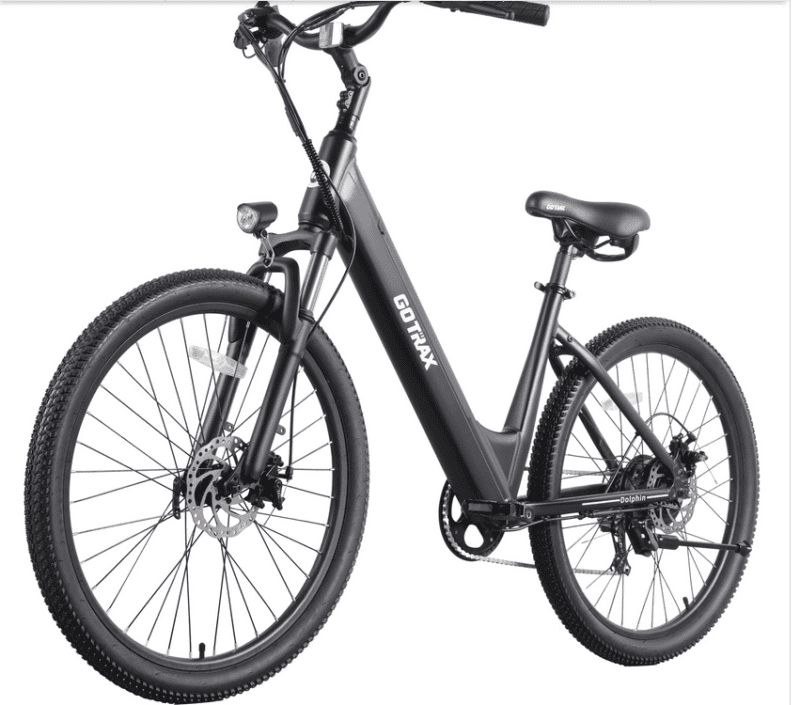
Frame geometry shapes how you sit and how comfy you feel. Step-through frames let you hop on and off easily, which is a lifesaver if you’re hauling stuff or wearing a skirt.
Diamond frames feel stiffer and work better if you like to ride hard or fast. They’re the classic style most folks picture.
Suspension systems help smooth out bumps and give you more control when the road or trail gets rough. A suspension fork up front soaks up potholes and curb drops.
Full suspension throws in a rear shock too, making bumpy trails and rough roads feel way less punishing. Not everyone needs it, but if you ride off-road a lot, it’s worth considering.
Your tire choice totally changes how the bike feels. Fat tires are awesome for sand, snow, or loose gravel—they just plow through.
Knobby tires grip dirt and mud better, while slick, standard-width tires roll fast on pavement and bike paths. Honestly, pick what matches where you ride most.
Frame material matters for weight and toughness. Aluminum keeps things light and doesn’t cost a fortune.
Steel soaks up vibrations but adds some heft. Carbon fiber is crazy light and rides smooth, but you’ll pay for it.
Brakes and Safety Upgrades
Disc brakes stop e-bikes way better than rim brakes, especially if it’s raining. Hydraulic discs are even stronger and take less effort than mechanical ones.
With e-bikes being heavier and faster, you really want the best brakes you can get. Don’t skimp here—it’s not worth it.
Rotor size plays a role, too. Bigger rotors (180mm or 200mm) stop you faster than smaller ones (160mm).
If you’re a heavier rider or carry a lot of cargo, go bigger on the rotors. It’s just safer.
Some e-bikes come with extra safety features built in. Bells or horns are super handy for getting people’s attention.
Reflective decals help drivers see you at night or from weird angles. Anti-lock brakes are showing up more, too—they keep your wheels from skidding if you slam the brakes, but they do bump up the price.
Integrated Lights and Electrical Components
Built-in lights run off your main battery, so you don’t have to mess with separate ones. Front lights help you see and be seen.
Rear lights let drivers know you’re there from behind. It’s such a simple thing, but it’s huge for safety.
Brightness really does matter. Look for front lights with at least 500 lumens if you ride at night or on dark trails.
For rear lights, just make sure they’re visible from at least 500 feet. Some lights even adjust brightness automatically, which is kind of cool.
Racks and fenders make your e-bike way more useful. Rear racks carry bags, baskets, or even a kid seat.
Front racks add space for lighter stuff and don’t mess with your steering much. Fenders keep water and mud off you and your bike when it’s wet out.
A lot of commuter e-bikes come with racks and fenders already on. They usually fit better that way, but you can always add them later—just double-check they’ll fit your bike first.
Understand E-Bike Classes, Laws, and Regulations
E-bike classes decide how your bike gives you power and where you’re allowed to ride it. Most states use a three-class system, and the rules about speed, throttles, and where you can go really shape what bike makes sense for you.
E-Bike Class 1, Class 2, and Class 3 Explained
Class 1 e-bikes give you pedal assist only—the motor helps when you pedal and stops at 20 mph. You’ll get the most trail and path access with these, so they’re a safe bet if you want to go pretty much anywhere.
Class 2 e-bikes have a throttle you can use without pedaling, plus pedal assist. Both max out at 20 mph.
The throttle is handy for getting started or when you need a break, but some trails don’t allow Class 2 bikes. Always check before you ride somewhere new.
Class 3 e-bikes assist up to 28 mph, which is great for fast commutes. If there’s a throttle, it’s usually capped at 20 mph.
Most states want a speedometer on Class 3 bikes and set a minimum age—usually 16. You can ride them on roads and bike lanes, but most multi-use paths are off-limits.
All three classes are limited to 750 watts under federal rules. That keeps things pretty standard across the board.
Legal Considerations and Local Rules
Federal law says e-bikes are consumer products if their motors are 750 watts or less, but your state and city decide where you can actually ride. Over 40 states use the three-class system, but the details change from place to place.
Always check your local rules before buying. Some cities keep e-bikes off certain trails, or they might require helmets for certain classes.
Class 3 usually means you have to wear a helmet and be at least 16, but Classes 1 and 2 are more relaxed. Parks and private land may have their own rules, so if you ride somewhere special, double-check what’s allowed.
Trail access changes based on who manages the land. If you’re not sure, ask before you go—better safe than sorry.
Set a Realistic Budget and Compare Brands
Electric bikes go from under $1,000 to over $10,000. Knowing what you get for your money helps you avoid overspending—or buying a bike that won’t hold up.
Brand reputation and after-sale support matter just as much as price. Don’t ignore them.
Cost Ranges: Entry-Level, Mid-Range, and Premium Models
Entry-level e-bikes usually cost $800 to $1,500. They’re fine for casual rides or short commutes.
You get basic parts, hub motors, and smaller batteries—expect 20 to 40 miles of range. Not fancy, but they get the job done.
Mid-range bikes run $1,500 to $3,500. This is where you find the sweet spot for price and quality.
You’ll see better motors, bigger batteries, hydraulic disc brakes, and stronger frames. If you’ll ride a lot, it’s worth moving up to this range.
High-end e-bikes start at $3,500 and can go way higher. These come with premium parts, powerful mid-drive motors, big batteries, and top-notch suspension.
They’re built for folks who ride hard or need their bike to last for years. If you’re serious about riding, the investment can make sense.
Match your budget to how you’ll use the bike. A $1,000 folding bike is great for weekend fun, while a $2,500 commuter is worth it if you’ll ride to work every day.
Popular Brands and Manufacturer Support
Big brands like Trek, Specialized, and Giant make solid e-bikes. They’ve been around forever and have a reputation for quality.
The Specialized Turbo Vado is a favorite for commuters. Giant’s Explore E+ models are good for longer rides or touring.
Direct-to-consumer brands like Rad Power Bikes and Aventon give you more for your money. Aventon Level bikes, for example, pack in nice features at a decent price.
They cut costs by selling straight to you, no middleman. Still, check their reputation before buying.
Look into how long a company’s been around and what people say about their bikes. If a brand’s survived a while, odds are they’ll still be there if you need help years from now.
Think about where you’ll get service and parts, too. Some brands work with local shops, while others make you do repairs yourself or ship the bike back.
Warranties and Customer Service
Most e-bike warranties cover the frame for two to five years. Electrical parts usually get one or two years.
Longer, better warranties show the company stands behind their bikes. Always read the fine print.
Some warranties only cover defects, not normal wear. Sometimes you have to pay shipping if something breaks, which is kind of a pain.
Customer service can be hit or miss. Try calling or emailing before you buy—if they get back to you quickly and seem helpful, that’s a good sign.
Check if they have local shops for repairs. It’s way easier than mailing your bike somewhere. Some brands do both local and direct service, which is ideal.
Frequently Asked Questions
Picking an electric bike means sorting through specs, features, and stuff you’ll care about long-term. Here are answers to some of the top questions people ask when trying to find the right e-bike.
What should I consider when selecting the battery capacity and motor power for an electric bike?
Battery capacity is measured in watt-hours (Wh). A 400-500Wh battery usually gives you 20-40 miles, while a 600-800Wh battery can get you 50-80 miles, depending on hills and your weight.
Think about your usual ride distance. If your round trip is 15 miles, 400Wh is fine. For longer or hillier rides, look for 600Wh or more.
Motor power is in watts. Most e-bikes fall between 250W and 750W.
250W covers flat city rides. If you’ve got hills or heavy cargo, 500-750W motors work better.
Hub motors are cheaper and sit in the wheel. Mid-drive motors are at the pedals and handle hills better. Pick what fits your riding style and terrain.
Local laws might limit motor power. Most places cap e-bikes at 750W and 20-28 mph, depending on class.
Which features are essential in an electric bike for daily commuting versus off-road riding?
For commuting, you want good lights, fenders, and racks for your stuff. An upright position keeps you comfortable on daily rides.
Puncture-resistant tires cut down on flats. A display for battery and speed helps you plan your ride.
Integrated locks are nice for parking at work or the store. It’s one less thing to worry about.
Off-road bikes need suspension to handle bumps and rough terrain. Front suspension is fine for light trails, but full suspension is better for serious dirt riding.
Wide, knobby tires grip loose surfaces. Disc brakes are a must, especially when it’s muddy or steep.
Mountain e-bikes need tough frames and more ground clearance. Battery placement matters, too—centered batteries feel more stable off-road.
How do different electric bike frame materials impact overall performance and durability?
Aluminum is the go-to for most e-bikes. It doesn’t rust, it’s lighter than steel, and it’s affordable.
Steel rides smoother and lasts, but it’s heavier. If the paint chips, it can rust, so keep an eye out.
Carbon fiber is super light and absorbs bumps, but expect to pay a lot more. You’ll mostly see it on bikes over $4,000.
Frame geometry matters, too. Step-through frames make it easy to get on and off, especially with a heavy e-bike.
Diamond frames (the traditional style) are stiffer and better for aggressive riding. E-bikes weigh 40-70 pounds, mostly due to the motor and battery—frame material changes that by maybe 5-10 pounds.
Honestly, build quality matters more for durability than just what the frame’s made of.
What are the advantages and disadvantages of various electric bike brands and models?
Big brands like Trek, Specialized, and Giant have lots of dealers for service and repairs. They cost more, but you get solid warranties and parts you can trust.
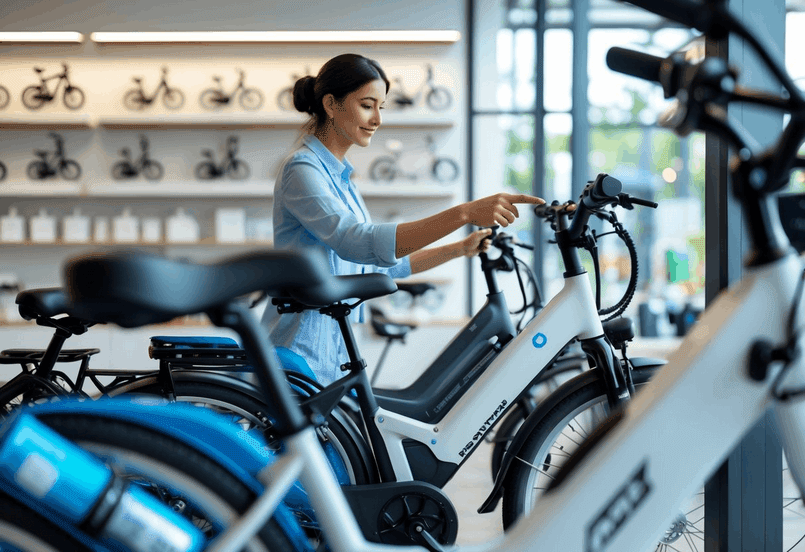
You can usually test ride these at a local shop, which helps a lot.
Direct-to-consumer brands like Rad Power Bikes and Lectric cost less since they skip the bike shop markup. You get good value but might have to assemble the bike or deal with shipping for repairs.
Customer service can be hit or miss with these brands. It’s smart to check reviews before buying.
Bikes under $1,000 often use cheaper batteries and motors, which might not last as long. You save money upfront but could pay more to replace stuff sooner than you’d like.
Premium brands charge $3,000-$5,000+ for features like Bosch or Shimano motors. These run smoother and last longer, and the rest of the parts are usually top-notch, too.
Always look at online reviews. Some lesser-known brands surprise you with quality, while even the big names sometimes have duds. Shop smart and trust your gut.
How does one evaluate the cost-effectiveness and value for money when purchasing an electric bike?
Start by comparing the motor and battery quality to the price. For example, a $1,500 bike with a Bafang or Shimano motor feels like a way better deal than a $1,500 bike with some random, unbranded motor.
Look at the warranty coverage. If you see a 2-year battery warranty and a 3-year frame warranty, that's a good sign the manufacturer trusts their product.
Short warranties—anything under a year—usually mean lower quality. Honestly, I'd be hesitant to buy a bike with such limited coverage.
Think about how much you’ll save if you swap out car trips for e-bike rides. If you drive 10 miles a day and gas is $3.50 a gallon, you might save over $100 a month.
That means the e-bike could pay for itself in just a year or two. Not bad, right?
Check what's actually included. Built-in lights, racks, and fenders can add $200-$400 of value compared to buying them separately.
Some bikes show up mostly assembled, which saves you the hassle and cost of having them assembled at a shop. That’s always a nice bonus.
If you’re eyeing a premium brand, think about resale value too. A well-kept Trek or Specialized e-bike can hold onto 40-50% of its value after a couple years.
Cheaper brands tend to lose value much faster. So, if you care about getting some money back later, that’s worth considering.
What are the key maintenance and safety aspects to keep in mind for long-term electric bike usage?
Battery care really makes a difference for your e-bike's lifespan. If you're not riding for a few weeks, try to stash the battery at about 40-80% charge.
Don't let it drain all the way or sit at 100% for ages. Extreme temps? Yeah, those are bad news for batteries—keep it somewhere reasonable.
Even if you haven't used up the whole battery, charge it every 20-30 rides. This keeps the cells healthier for longer.
Most batteries stick with you for 500-1,000 charge cycles before you notice any real drop in capacity. Not forever, but not bad either.
Check your tire pressure every week. E-bikes weigh more than regular bikes, so good pressure helps avoid flats and gets you more range per charge.
Take a peek at your brake pads every month. The extra weight wears them down faster than you'd think.
Clean your chain and slap on some lube every 100-200 miles. Dirt slows you down and drains the battery faster, which is just annoying.
Wipe down those electrical connections, too. Corrosion sneaks up on you if you're not paying attention.
Bring your bike in for a pro tune-up every 6-12 months. Shops check stuff like the motor, brakes, and spokes. It usually costs $75-$150, but trust me, that's cheaper than a big repair later.
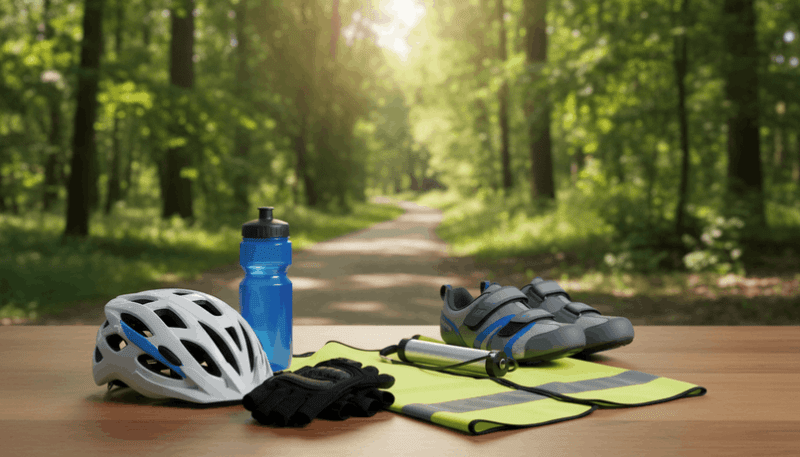
Always wear a helmet. E-bikes can hit 20-28 mph, so a crash hurts more than on a regular bike.
Use lights—even during the day. It sounds a little over the top, but being seen is half the battle out there.
DISCLAIMER
This document is provided for general information purposes only and should not be relied upon as providing legal advice, technical, or specific operational guidance to the reader, whether as to the practices described in the document or the applicable legal requirements and regulations. justelectricbikes.com expressly disclaims any responsibility for liability arising from or related to the use or misuse of any information in this document.