
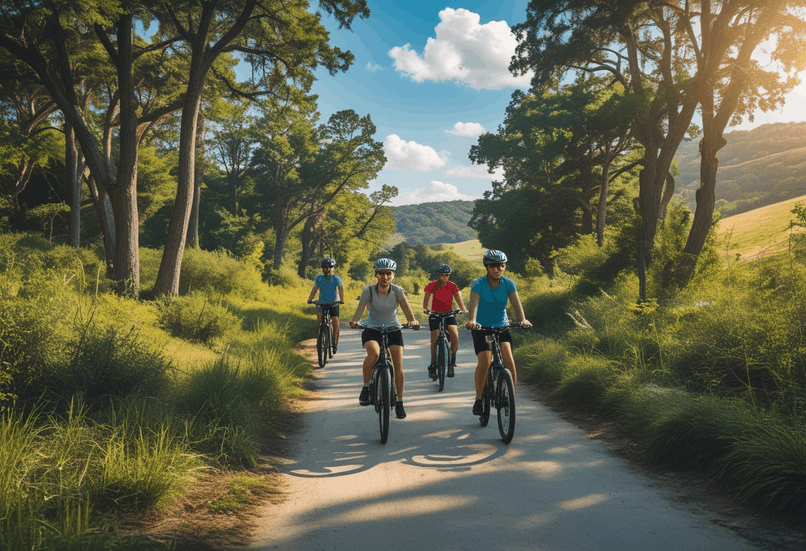
Best E-Bike Trails in Alabama for Every Rider
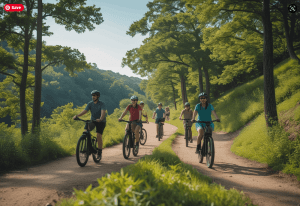
Alabama has some of the most rewarding e-bike trails in the Southeast, ranging from smooth coastal paths to rugged mountain bike routes. Whether you’re in Gulf Shores for a weekend or planning a long ride through the Appalachian foothills, there’s an electric bike trail here for every pace and skill level.
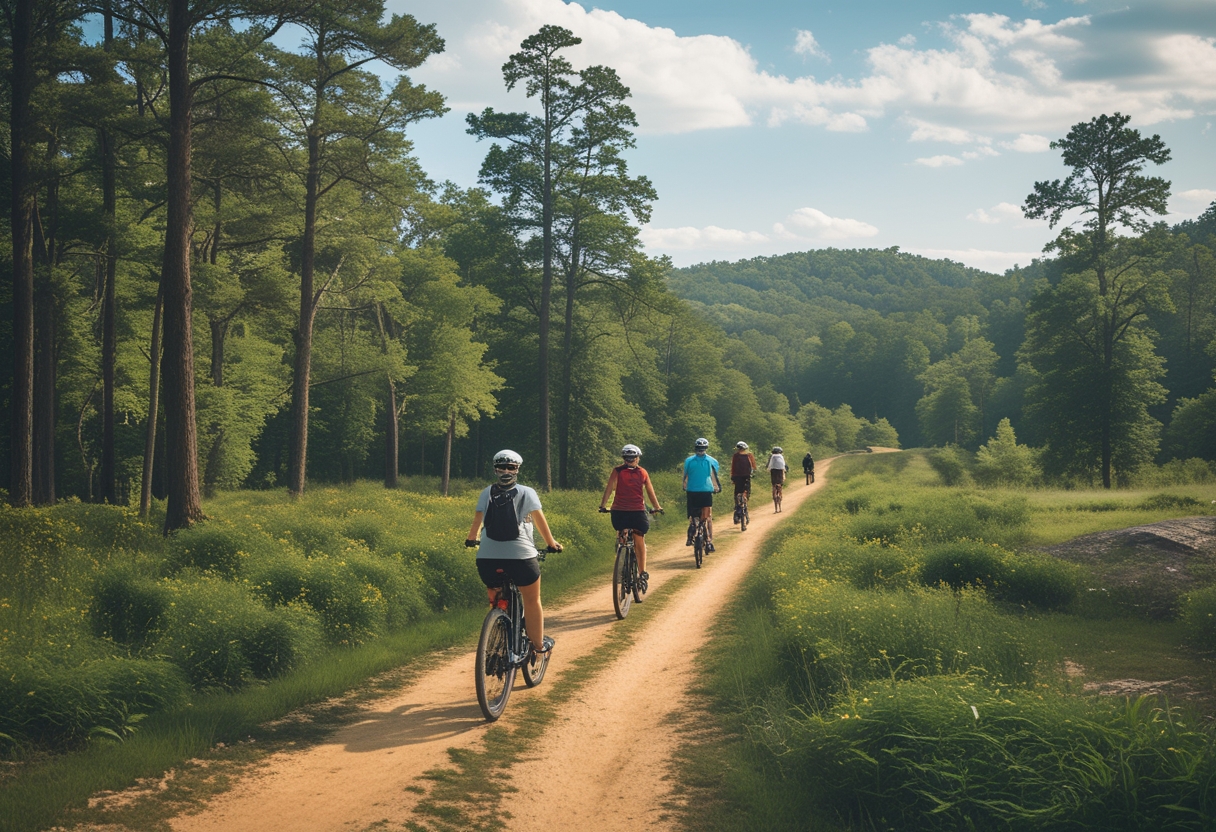
The best e-bike trails in Alabama include the Hugh S. Branyon Backcountry Trail in Gulf State Park, the 35-mile Chief Ladiga Trail, Oak Mountain State Park, and several coastal and urban greenways. Each trail brings something unique—surface, scenery, distance, and challenge—so your pick really depends on your riding style and what kind of day you want.
This guide highlights ten trails worth checking out, with details on distance, surface, difficulty, parking, restrooms, and e-bike access. You’ll also find tips for charging, gear, planning for Alabama’s heat, and a quick rundown of the state’s e-bike class rules.
Key Takeaways
- The Hugh S. Branyon Backcountry Trail in Gulf State Park usually tops the list for e-bike riders, thanks to its paved surface, trailheads, and coastal scenery.
- Alabama has more than ten quality e-bike routes, including paved greenways, gravel paths, and mountain bike trails for all skill levels.
- State law treats e-bikes like bicycles, but trail rules can vary—always double-check access before you head out.
Best Overall Pick And Quick Recommendations
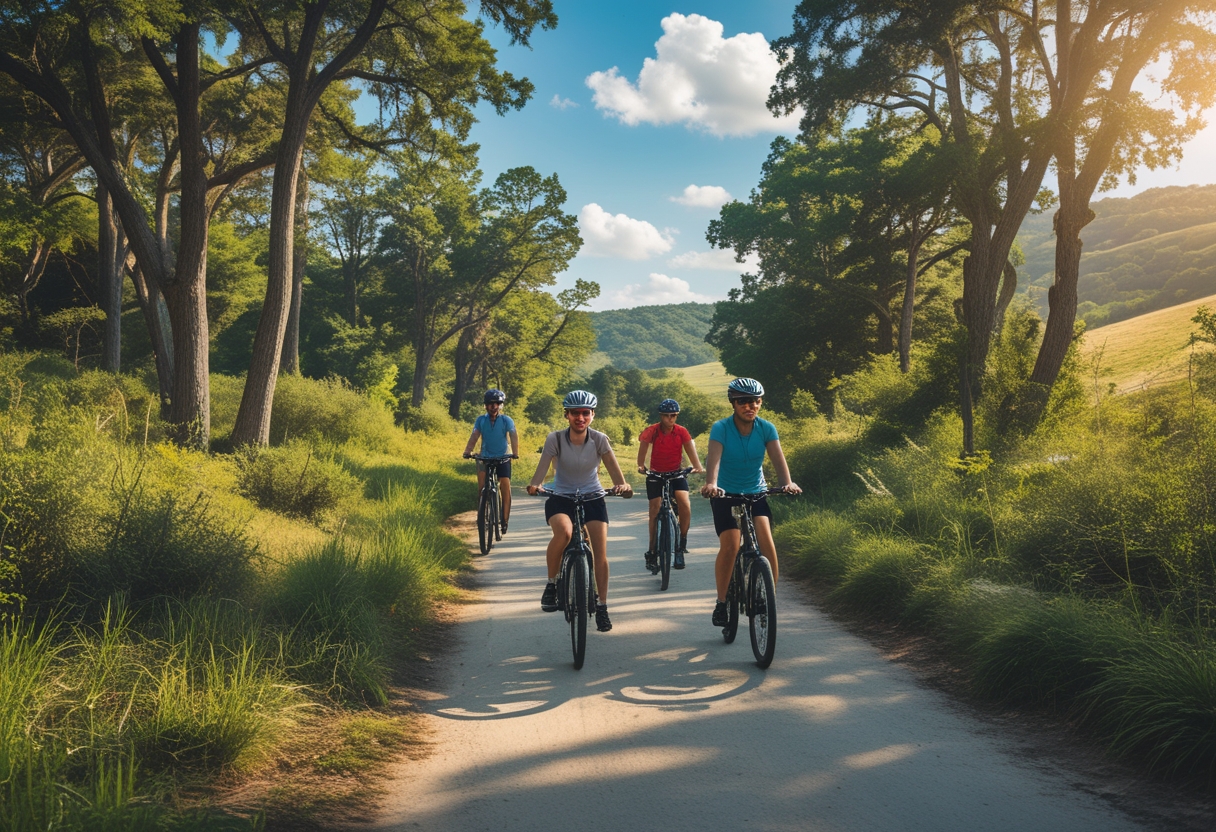
If you’ve only got time for one ride in Alabama, go for the Hugh S. Branyon Backcountry Trail. If you’re after longer distances, technical terrain, or city convenience, check out the Chief Ladiga Trail, Oak Mountain State Park, or Aldridge Creek Greenway.
Why Hugh S. Branyon Backcountry Trail Stands Out
The Hugh S. Branyon Backcountry Trail in Gulf State Park has over 28 miles of paved paths winding through maritime forests, lakes, and marshes. You’ll find seven trailheads with parking, restrooms, and water fountains along the way.
The surface stays smooth and flat, so any type of e-bike works here. You can ride a short loop or link together segments for a longer day out. E-bikes are welcome, and the trail stays well maintained.
Best Trail For Beginners
The Aldridge Creek Greenway in Huntsville is flat, well-kept, and just over four miles long. It passes under busy roads, so you never have to mess with traffic, and there’s a park with shade and benches at the end.
Best Long-Distance Paved Ride
The Chief Ladiga Trail runs 35 miles from Piedmont through pine woods and open fields. It connects to the Silver Comet Trail in Georgia, so you can keep riding well past Alabama if you’re feeling ambitious.
Best Option For Nature And Wildlife
The Hugh S. Branyon Backcountry Trail takes the win again. You might spot over a hundred bird species, alligators in the wetlands, and wildflowers if you catch the right season.
Best Choice For Riders Wanting More Challenge
Oak Mountain State Park in Pelham offers 30 miles of mountain bike trails, including tough routes like Blood Rock. If you’re on an electric mountain bike and crave elevation changes and rugged ground, this is your spot.
Top Alabama Rides Worth Planning Around
Here are ten trails that really show off what Alabama has for electric bike riders. You’ll find everything from coastal paths and rail-trails to urban greenways and mountain bike terrain.
Hugh S. Branyon Backcountry Trail In Gulf Shores And Orange Beach
- Distance: Over 28 miles of paved trails
- Surface: Paved, flat
- Difficulty: Easy
- E-bike access: Allowed in Gulf State Park
- Parking/restrooms: Seven trailheads with parking, restrooms, and water fountains
- Best for: Families, casual riders, nature lovers
This trail winds through maritime forest, freshwater lakes, marshes, and coastal dunes. Bird-watchers often spot more than a hundred species here.
The Catman Road Trail and Gulf Oak Ridge Trail are two popular segments in the network. Ride early in summer for cooler temps and better wildlife sightings.
Chief Ladiga Trail In East Alabama
- Distance: 35 miles (one way)
- Surface: Paved
- Difficulty: Easy to moderate (mainly because it’s long)
- E-bike access: Generally permitted as a multi-use rail-trail
- Parking/restrooms: Multiple trailheads; rest areas at the old train station and campground
- Best for: Long-distance riders, endurance seekers
This old railroad corridor starts in Piedmont and goes through pine forests, wetlands, and farmland. At the Georgia border, it links up with the Silver Comet Trail, so you can ride a combined route of over 90 miles.
The Appalachian mountain views near the eastern end are worth the effort. If you want to do the whole trail, plan for a full day.
Oak Mountain State Park In Pelham
- Distance: 30 miles of mountain bike trails
- Surface: Dirt, rocks, roots
- Difficulty: Moderate to advanced
- E-bike access: Check with the park office; mountain bike trail rules can vary
- Parking/restrooms: Main park entrance and trailheads
- Best for: Experienced riders on electric mountain bikes
Oak Mountain is Alabama’s biggest state park and has trails for every skill level. The Lake Trail is good for intermediate riders, while Blood Rock is all about steep climbs and technical features.
The park charges a day-use fee, so keep that in mind.
Aldridge Creek Greenway In Huntsville
- Distance: 4.19 miles
- Surface: Paved
- Difficulty: Easy
- E-bike access: Permitted on paved greenways
- Parking/restrooms: At trail access points
- Best for: Beginners, families, quick rides
This flat, shaded path follows Aldridge Creek with Green Mountain in the background. Because it passes under main roads, you don’t have to worry about crossing traffic.
The trail ends at Willow Park, which is a nice place for a break.
Catman Road Trail In Gulf State Park
- Distance: About 3.5 miles
- Surface: Paved
- Difficulty: Easy
- E-bike access: Allowed within Gulf State Park
- Parking/restrooms: Trailhead parking and restrooms available
- Best for: Short rides, families with young kids
Catman Road is one of the most popular segments in the Hugh S. Branyon network. It’s wide, flat, and mostly shaded.
If you’re new to the trail system, this is a great place to start before tackling a longer loop.
Gulf Oak Ridge Trail Near The Coast
- Distance: Around 4 miles
- Surface: Paved
- Difficulty: Easy
- E-bike access: Allowed within Gulf State Park
- Parking/restrooms: At the trailhead
- Best for: Scenic coastal riding, birdwatching
This segment of the Gulf State Park system takes you through coastal forest and by freshwater lakes. It’s quieter than Catman Road on weekdays and has more wildlife sightings.
The flat surface is perfect for cruiser-style e-bikes.
Fort Morgan Road Trail In Gulf Shores
- Distance: About 10 miles (one way)
- Surface: Paved shoulder and bike lane
- Difficulty: Easy to moderate
- E-bike access: Road-accessible for e-bikes
- Parking/restrooms: Limited; plan stops at businesses along the way
- Best for: Riders wanting a longer coastal ride with Gulf views
Fort Morgan Road heads west from Gulf Shores toward historic Fort Morgan. The route follows the road and gives you open views of the Gulf and Mobile Bay.
Wind can make this one interesting, so pedal assist is your friend on the way back.
Village Point Park Preserve In Daphne
- Distance: 2 miles
- Surface: Crushed gravel, boardwalk, pavement
- Difficulty: Easy
- E-bike access: Check with the park; mixed surfaces may have specific rules
- Parking/restrooms: At the preserve entrance
- Best for: Short nature rides, history buffs
This short trail passes Jackson’s Oak and the D’Olive Cemetery, which goes back over 200 years. Boardwalk sections cross wetlands, and you might spot alligators just under the water’s surface.
It’s a quick ride and a nice break if you’re in the area, especially if you like a bit of history with your scenery.
Chattahoochee Valley Railroad Trail In Valley
- Distance: 7.5 miles
- Surface: Paved
- Difficulty: Easy
- E-bike access: Generally permitted as a multi-use trail
- Parking/restrooms: Available at trailhead areas
- Best for: History buffs, casual riders
This rail-trail in the city of Valley winds past historic bridges, old mill villages, and the Fairfax train depot. Local shops and restaurants line the route, so you can turn your ride into a half-day outing if you feel like it.
TVA Nature Loop In Florence
- Distance: 17 miles of trails (20-mile out-and-back option)
- Surface: Mixed (paved and natural)
- Difficulty: Easy to moderate
- E-bike access: Verify with TVA land management
- Parking/restrooms: Available near the Wilson Dam area
- Best for: Scenic rides, waterfall seekers
Behind Wilson Dam, the TVA Nature Loop gives you views of the Tennessee River, a trailside waterfall, and a repurposed railroad bridge. The Waterfall Walk segment stretches to a 20-mile out-and-back, so bring extra battery power if you’re going the distance.
What Riders Can Expect On The Trail
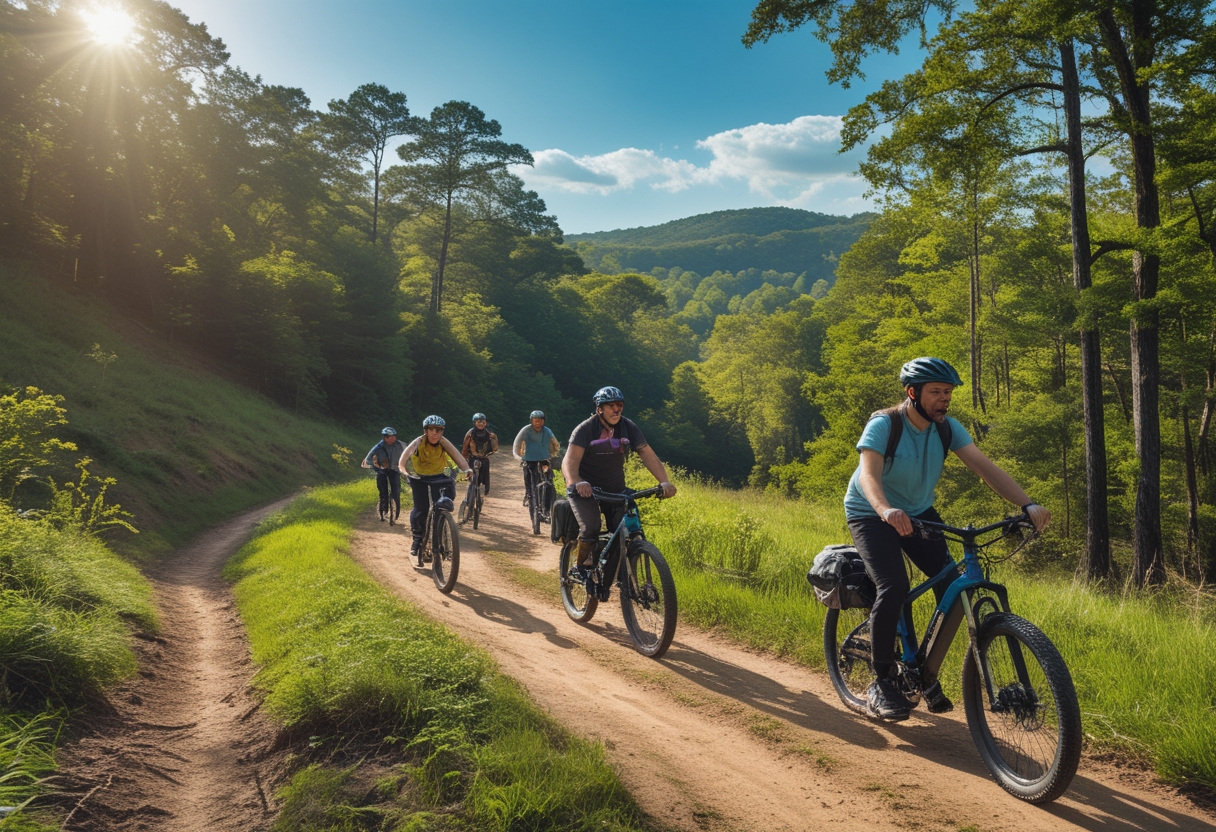
Alabama's e-bike trails cover a wide range of surfaces, scenery, and amenities. You might ride on smooth asphalt one day and rocky singletrack the next.
Wildlife varies by region too—sometimes it’s songbirds, sometimes it’s alligators. You never really know until you get there.
Surface Types And Difficulty Levels
Most popular electric bike trails in Alabama are paved. The Hugh S. Branyon Backcountry Trail, Chief Ladiga Trail, Aldridge Creek Greenway, and Chattahoochee Valley Railroad Trail are all paved and flat, so any ebike works fine.
Oak Mountain State Park and Tannehill Ironworks break the mold with dirt, clay, and rocky sections and some elevation. You’ll want at least an intermediate skillset and an electric mountain bike for those.
Village Point Park Preserve mixes it up with crushed gravel, boardwalk, and pavement. Most e-bikes won’t have trouble there.
Scenery, Wildlife, And Seasonal Highlights
Coastal trails near Gulf Shores run through maritime forests, freshwater lakes, and marshes. Spring and fall bring the best temps and the most active wildlife.
Alligators show up more often in summer near wetland areas, especially on trails like Hugh S. Branyon and Village Point.
Northern Alabama trails around Huntsville and Florence come with mountain views and river scenes. Fall colors along Chief Ladiga Trail and TVA Nature Loop are especially good in late October and November.
Amenities Such As Parking, Restrooms, And Water
The Hugh S. Branyon Backcountry Trail leads the pack with seven trailheads, all with parking, restrooms, and water fountains. Chief Ladiga Trail has rest stops and campgrounds along its 35-mile stretch.
Smaller trails like Aldridge Creek Greenway and Chattahoochee Valley Railroad Trail offer basic parking and restrooms at the trailheads. State parks like Oak Mountain usually charge a day-use fee and have restrooms at the main entrance.
Some trails don’t have water fountains, so bring your own—especially in the summer heat.
Alabama E-Bike Access And Trail Rules
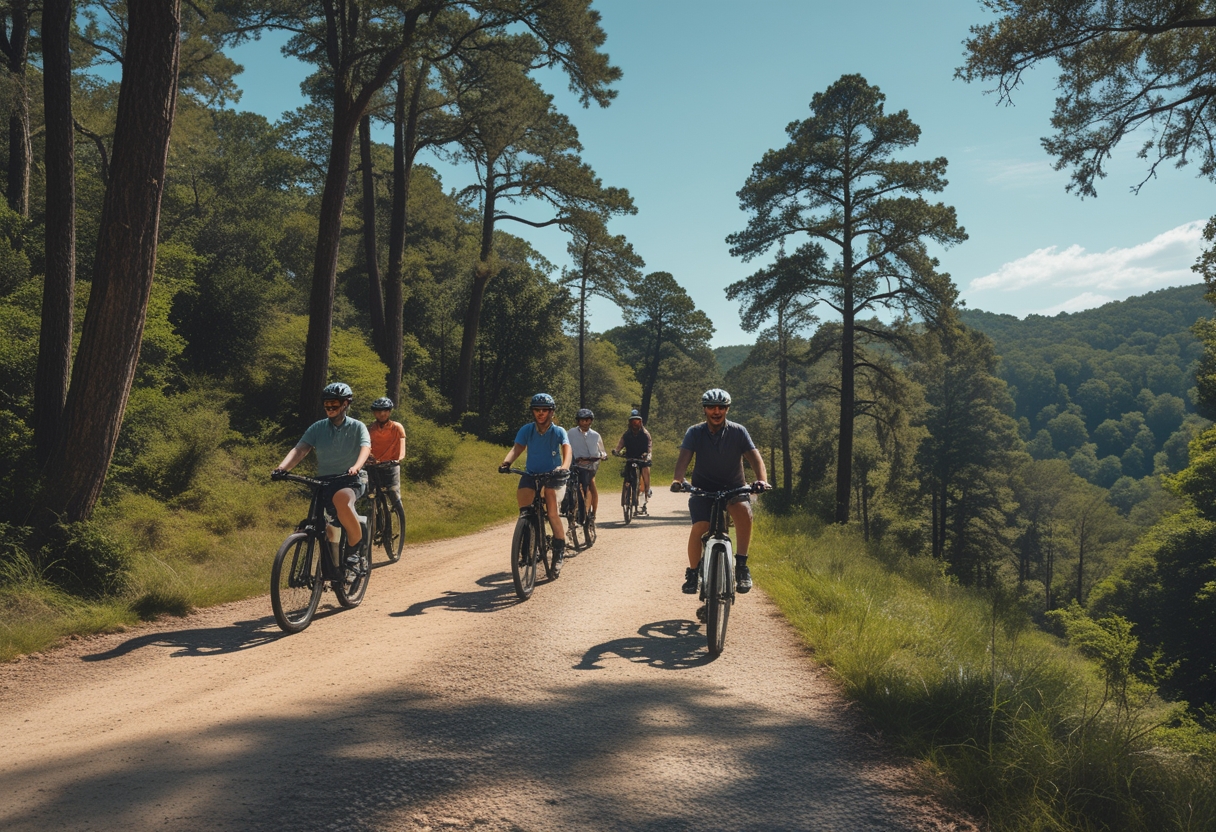
Alabama recognizes three classes of e-bikes and treats them a lot like regular bicycles under state law. Trail-level rules do vary, so it’s smart to check both the state guidelines and the specific rules for each trail or park.
Where Electric Bikes Are Commonly Allowed
E-bikes are welcome on paved multi-use trails throughout Alabama. Gulf State Park clearly allows electric bikes on the Hugh S. Branyon Backcountry Trail system.
Rail-trails like Chief Ladiga Trail and Chattahoochee Valley Railroad Trail are generally open to e-bikes too. Urban greenways, such as Aldridge Creek Greenway, usually follow city or county rules and allow e-bikes on paved paths.
Mountain bike trails are a different story. Parks like Oak Mountain State Park might restrict certain e-bike classes on singletrack. It’s always worth checking with the park office before you head out.
How E-Bike Class Rules Can Vary By Trail
Alabama law defines three e-bike classes:
| Class | Motor Type | Top Assisted Speed | Throttle |
|---|---|---|---|
| Class 1 | Pedal-assist only | 20 mph | No |
| Class 2 | Pedal-assist + throttle | 20 mph | Yes |
| Class 3 | Pedal-assist only | 28 mph | No |
Some trails only allow Class 1 e-bikes, especially mountain bike trails where speed and motor type can be a safety issue. Paved multi-use trails usually allow all three classes. Class 3 riders under 18 have to wear a helmet by law.
When To Verify Local Park And Trail Policies
State law sets the baseline, but local land managers can restrict e-bike access. This happens most with state parks, national forest trails, and private preserves.
Before you ride, reach out to the managing agency or check the trail’s official site. Rules change, and some trails have updated their policies as e-bike use grows. A quick call or web search can save you from showing up somewhere you can’t ride.
Charging, Gear, And Ride Planning Tips
Riding in Alabama means dealing with heat, humidity, and distances that can push your battery limits. A couple of smart choices before you leave home can make all the difference.
How To Plan Range For Longer Routes
The Chief Ladiga Trail (35 miles) and Hugh S. Branyon Backcountry Trail (28+ miles) are both long enough to drain most e-bike batteries, especially if you use higher assist levels.
Start with a full charge and use eco or low-assist mode on flat stretches to save power. If you’re riding the full Chief Ladiga Trail out-and-back, you’ll need a battery with at least 60 miles of range or a spare.
There aren’t dedicated e-bike charging stations on most Alabama trails. Some trailhead pavilions might have outlets, but don’t count on them. Carry a charger and plan a lunch stop near an outlet if you want a backup plan.
What To Pack For Heat, Humidity, And Rain
Alabama summers are no joke—temps often top 90°F and humidity stays high. Pack more water than you think you’ll need.
Trails with water fountains help, but many smaller trails don’t have them. Here’s what you’ll want for warm-weather rides:
- At least 40 oz of water per person
- Sunscreen (SPF 30+)
- Lightweight, moisture-wicking clothes
- Compact rain jacket (afternoon storms are common from May to September)
- Insect repellent, especially near marshes and wetlands
How To Choose Between A Cruiser, Commuter, Or Mountain Bike
Pick your bike based on the trail surface. Here’s a quick rundown:
| Bike Type | Best Trail Match |
|---|---|
| Cruiser e-bike | Hugh S. Branyon, Aldridge Creek Greenway, Chattahoochee Valley |
| Commuter e-bike | Chief Ladiga Trail, Fort Morgan Road, TVA Nature Loop |
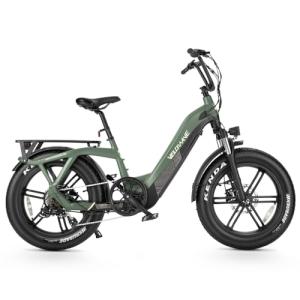
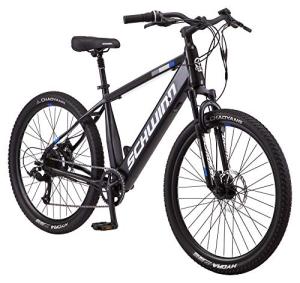
| Mountain e-bike | Oak Mountain State Park, Tannehill Ironworks |
Cruisers and commuters handle all the paved trails just fine. If you want to ride both paved and dirt trails, a hardtail mountain bike with smoother tires covers your bases.
How To Choose The Right Route For Your Riding Style
With ten trails on the table, picking the right one really depends on your group’s experience, fitness, and what kind of scenery you’re after. Here’s how to match your style to the best route.
Best Picks For Families And Casual Riders
The Hugh S. Branyon Backcountry Trail is my top choice for families. The paved paths are flat, trailheads have water and restrooms, and you can stick to short loops under five miles.
Catman Road in Gulf State Park is perfect for young riders. Aldridge Creek Greenway is another great family option—short, flat, and totally separated from traffic.
Best Routes For Fitness And Endurance
The Chief Ladiga Trail (35 miles) gives you a solid endurance ride, especially if you keep going onto the Silver Comet Trail into Georgia. Use low assist for a real workout.
Oak Mountain State Park’s 30 miles of mountain bike trails will test your legs and your handling skills. Blood Rock isn’t for the faint of heart.
Best Coastal And Scenic Options
For Gulf Coast views, combine Hugh S. Branyon Backcountry Trail with a spin along Fort Morgan Road. You’ll get maritime forest, marshes, and open Gulf views all in one day.
Gulf Oak Ridge Trail is quieter if you want coastal scenery without the crowds. Pair it with Catman Road for over 28 miles of connected riding.
Best Trails For Mixed Skill Groups
If you’ve got beginners and experienced riders together, Gulf State Park is your best bet. Beginners can stick to easy segments like Catman Road, while stronger riders cover the whole network.
Everyone can meet up at the same trailhead for lunch. Oak Mountain works too, with easy trails like Lake Trail for beginners and tougher stuff like Blood Rock for advanced riders.
Frequently Asked Questions
Which Alabama Trails Offer The Smoothest, Most Beginner-Friendly E-Bike Riding?
The Hugh S. Branyon Backcountry Trail and Aldridge Creek Greenway are the easiest for beginners—paved, flat, and well-kept, with no vehicle crossings. Chattahoochee Valley Railroad Trail is another good paved option for new riders.
What Are The Access Points, Surface Conditions, And Must-Know Tips For Riding The Chief Ladiga Trail?
Chief Ladiga Trail has several trailheads between Piedmont and the Georgia state line. There are rest areas at an old train station and a campground. The surface is paved and usually in good shape, but watch for debris after storms.
Bring lots of water and make sure your battery is charged—the full 35 miles can drain both.
Are E-Bikes Permitted On Trails Inside Gulf State Park, And What Rules Apply?
Yes, e-bikes are allowed on trails in Gulf State Park, including the Hugh S. Branyon Backcountry Trail system. All three e-bike classes are generally fine on the paved trails.
Stick to marked paths and follow posted speed limits. Simple as that.
Why Do Some Alabama Trails Restrict Or Ban E-Bikes, And How Can Riders Verify Current Policies?
Some trails in Alabama restrict e-bikes because of worries about speed or possible trail damage. There are also concerns about conflicts with hikers and traditional cyclists.
Mountain bike trails usually have more restrictions than paved paths. Before heading out, it's best to contact the park office or check the trail's official website to see the latest rules.
Do Riders Need A License, Registration, Or Insurance To Operate An Electric Bike In Alabama?
Nope, Alabama doesn't require a license, registration, or insurance for e-bikes that fit the state's three-class definition. If you're under 18 and riding a Class 3 e-bike, you do need to wear a helmet.
For most traffic and trail rules, e-bikes are treated just like regular bicycles. That's pretty convenient, honestly.
What Should Riders Know About Difficulty, Navigation, And E-Bike Suitability On The Hugh S. Branyon Backcountry Trail?
The Hugh S. Branyon Backcountry Trail feels pretty easy, thanks to its flat, paved paths. You'll spot clear signage at all seven trailheads, so you probably won't get lost.
Navigation's a breeze—every segment has maps posted at the junctions. Any e-bike works here, whether you're rolling in on a cruiser or something sportier.
With over 28 miles of connected trails, you can pick a short loop or go all in for a longer ride. It's flexible, which is honestly a huge plus for riders with different goals.