Top 10 E-Bike Trails in Alaska for Scenic Rides
Alaska just might have the most rewarding e-bike riding in the country. Coastal paths, glacier views, and mountain backdrops here feel like nowhere else in the Lower 48.
If you're on the hunt for the top 10 e-bike trails in Alaska, this guide breaks down everything you need for a safe, scenic trip.
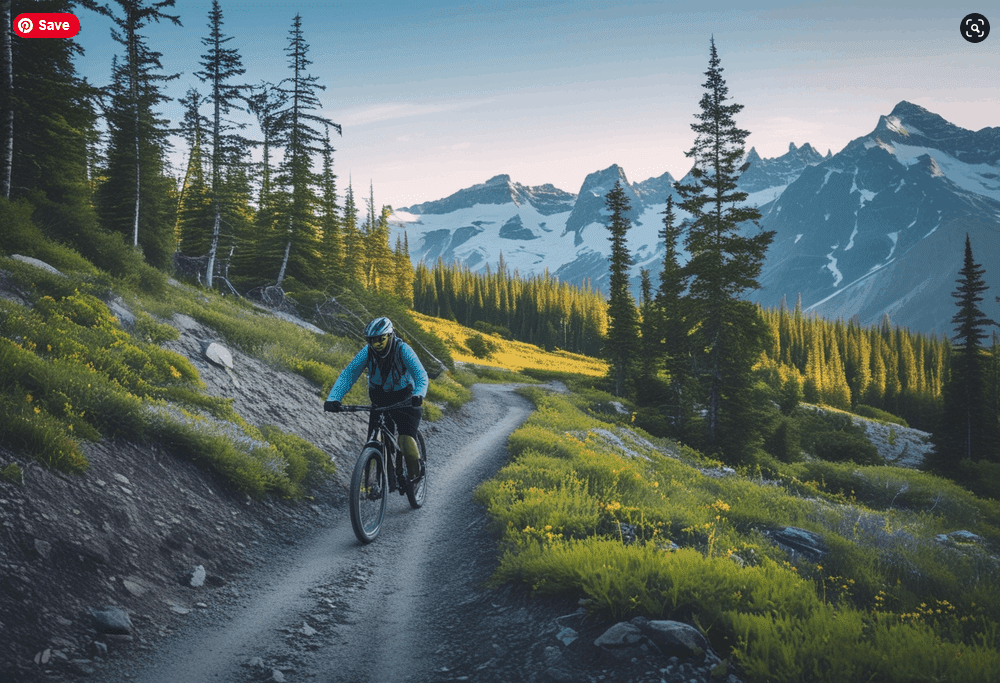
Each of the 10 routes below includes surface type, distance, difficulty, e-bike access rules, charging options, parking, restrooms, seasonal windows, and official links.
The trails cover Anchorage, Denali, Fairbanks, Juneau, Kodiak, and more. They're organized by region so you can quickly find rides near your travel plans.
You'll also find practical guidance on Alaska's e-bike regulations, bear safety, cold-weather battery tips, and riding in remote areas.
Whether you're bringing your own e-bike or renting locally, the info here should help you keep planning easy and your ride fun.
Key Takeaways
- Alaska's best e-bike routes go from paved coastal paths in Anchorage to gravel wilderness roads near Denali. Each one has its own scenery, challenge, and access rules.
- Cold, wind, and elevation can cut your battery range by 20–40%. Always plan for shorter distances and know your recharge spots.
- Wildlife—especially moose and bears—are a real factor on almost every trail. Bear spray and awareness aren't optional here.
Best Overall Pick and Quick Comparison
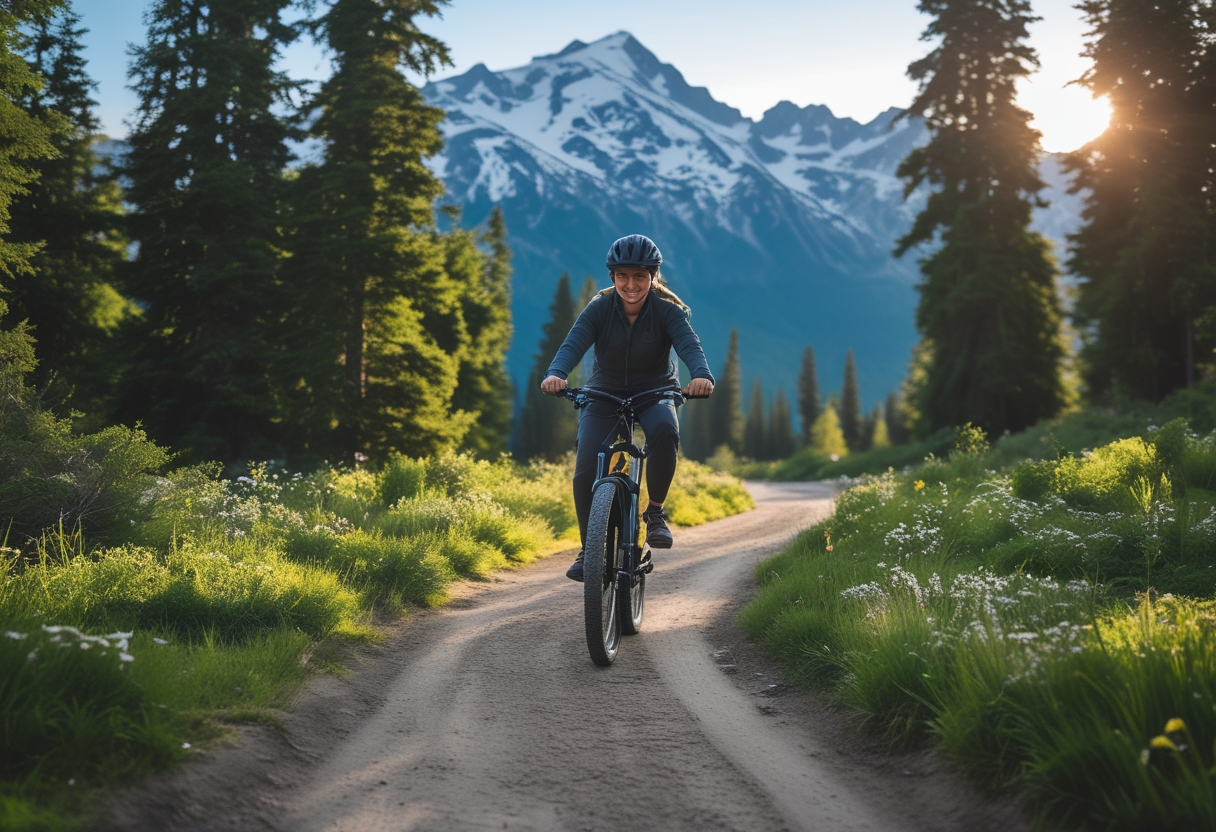
Alaska e-bike routes stand out for two reasons: the jaw-dropping scenery and the extra logistics it takes to ride them. Here's the top ride and a quick comparison of all 10 routes.
Best Overall Ride in Alaska
The Tony Knowles Coastal Trail in Anchorage takes the crown. It runs about 11 miles one way on pavement, from downtown Anchorage to Kincaid Park along the Cook Inlet shoreline.
On clear days, you can spot Denali, tidal flats, and moose—sometimes all in one ride. The path is smooth, well-kept, and welcomes Class 1 e-bikes.
Parking’s easy at Westchester Lagoon and Earthquake Park. Restrooms are at several trailheads.
No charging on the trail, but a round trip is about 22 miles—well within most modern e-bike ranges. The ride is easy to moderate with barely any elevation gain.
How the 10 Routes Compare at a Glance
| # | Trail / Route | Region | Surface | Distance | Difficulty | E-Bike Class Allowed |
|---|---|---|---|---|---|---|
| 1 | Tony Knowles Coastal Trail | Anchorage | Paved | 11 mi one way | Easy | Class 1 |
| 2 | Campbell Creek Trail | Anchorage | Paved | 7.6 mi | Easy | Class 1 |
| 3 | Bird to Girdwood Pathway | Southcentral | Paved | 6.6 mi | Easy | Class 1 |
| 4 | Seward Waterfront & Coastal Routes | Southcentral | Paved/gravel | 8+ mi | Easy–Moderate | Class 1 |
| 5 | Denali Park Road | Interior | Gravel | Up to 92 mi | Moderate–Hard | Class 1 (restrictions apply) |
| 6 | Chena River Rec. Area Trails | Interior | Gravel/dirt | Varies | Moderate | Class 1 |
| 7 | Fairbanks Urban Path Network | Interior | Paved | 10+ mi | Easy | Class 1 |
| 8 | Mendenhall Glacier Rec. Area | Southeast | Paved/gravel | 5+ mi | Easy–Moderate | Class 1 |
| 9 | Kincaid Park Multiuse Network | Anchorage | Paved/dirt | 12+ mi | Moderate | Class 1 |
| 10 | Kodiak Road & Trail Riding | Kodiak Island | Paved/gravel | Varies | Moderate | Class 1 on roads |
Anchorage and Southcentral Standouts
Anchorage and the Southcentral region have the most paved, well-marked e-bike paths in Alaska. These four routes give you ocean views, rainforest stretches, and glacier-fed streams—all close to Anchorage hotels and rental shops.
Tony Knowles Coastal Trail
- Surface & Distance: Paved, 11 miles one way (22-mile round trip)
- Difficulty: Easy; mostly flat with gentle grades
- Scenery: Cook Inlet tidal flats, volcanoes, Anchorage skyline, Denali on a clear day
- E-Bike Access: Class 1 e-bikes allowed; throttle-only Class 2 bikes aren't allowed on Anchorage multiuse trails
- Parking: Westchester Lagoon, Earthquake Park, Kincaid Park
- Restrooms: At Westchester Lagoon, Earthquake Park, and Kincaid Park trailheads
- Charging: No charging on the trail; some downtown coffee shops might let you plug in
- Seasonal Notes: Best from mid-May through September; icy patches linger early and late in the season
- Official Link: Municipality of Anchorage Parks & Recreation
Moose love hanging out on or near the trail, especially by Earthquake Park. Give them space—at least 50 feet—and wait for them to move.
Morning rides before 9 a.m. usually have the fewest pedestrians and joggers.
Campbell Creek Trail
- Surface & Distance: Paved, 7.6 miles
- Difficulty: Easy; flat through urban greenbelts
- Scenery: Campbell Creek greenbelt, birch and spruce, salmon viewing in summer
- E-Bike Access: Class 1 only
- Parking: Several small lots along Lake Otis Parkway and Taku Lake
- Restrooms: Some trailheads have portables; Taku Lake Park has a permanent restroom
- Charging: None on-trail
- Seasonal Notes: Rideable mid-May to October; salmon runs (and bears) peak July–August
- Official Link: Municipality of Anchorage Trail Maps
This trail links up with other Anchorage paths, so you can connect it to Chester Creek Trail for a longer ride. Watch for spawning salmon and, yes, the bears that chase them in midsummer.
Bird to Girdwood Pathway
- Surface & Distance: Paved, 6.6 miles one way
- Difficulty: Easy; gentle grade along the Seward Highway
- Scenery: Turnagain Arm ocean views, bore tides, mountain cliffs, rainforest canopy near Girdwood
- E-Bike Access: Class 1 e-bikes allowed
- Parking: Bird Point parking (day-use fee may apply), Girdwood trailhead
- Restrooms: Vault toilets at Bird Point; public restrooms near Girdwood trailhead
- Charging: Girdwood has restaurants and lodges—some might let you plug in
- Seasonal Notes: Mid-May to mid-October; strong winds off Turnagain Arm can make things interesting
- Official Link: Alaska DOT Bird to Girdwood Pathway
You can see the Turnagain Arm bore tide from several spots on this path. Check a tide chart before you ride, and stop at a pullout when the tidal bore rolls through.
The wind off the water sometimes gusts up to 40 mph, so don't forget a windbreaker.
Seward Waterfront and Coastal Routes
- Surface & Distance: Mix of paved paths and gravel shoulders; 8+ miles of rideable routes in and around Seward
- Difficulty: Easy to moderate; some gravel sections near Exit Glacier Road
- Scenery: Resurrection Bay, Seward small-boat harbor, mountain waterfalls, and distant glaciers
- E-Bike Access: Class 1 on paved paths; local roads open to all e-bike classes
- Parking: Seward waterfront parking lots; Exit Glacier Road pullouts
- Restrooms: Public restrooms at the Seward harbor and at the Kenai Fjords National Park visitor center
- Charging: Limited; some Seward hotels offer outlet access
- Seasonal Notes: Late May through September; road to Exit Glacier typically opens by late May
Start in downtown Seward and ride toward the Exit Glacier area. That adds about 8 miles of road with a moderate uphill grade.
The route weaves through cottonwood forest and crosses glacier-fed streams. E-bikes aren’t allowed on Kenai Fjords National Park trails beyond the road.
Interior and Denali-Area Rides
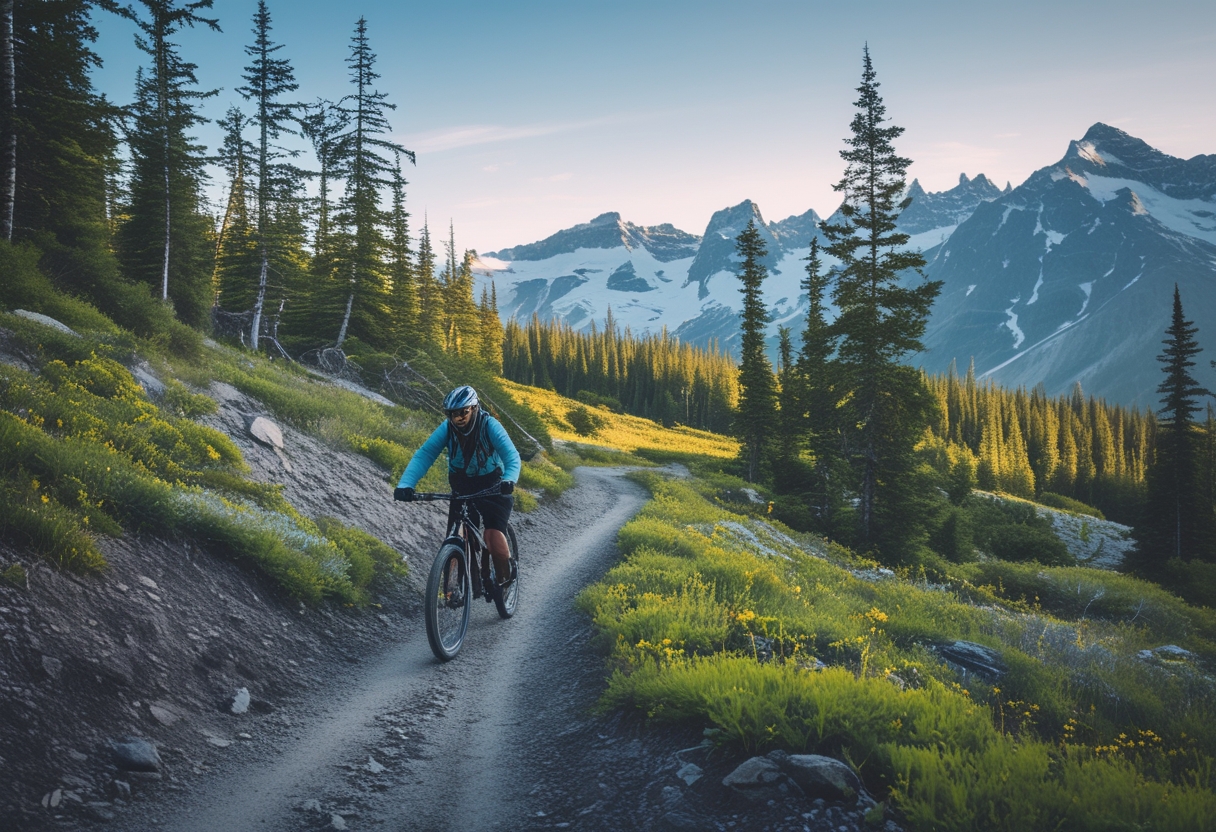
The Interior brings longer distances, bigger climbs, and honestly, way fewer services than Southcentral. Denali Park Road, the Chena River Recreation Area, and the Fairbanks path network all offer something totally different.
Denali Park Road
- Surface & Distance: Gravel, up to 92 miles one way; public vehicle access typically ends at Mile 43 (Teklanika rest stop) unless you hold a special permit
- Difficulty: Moderate to hard; rolling hills, loose gravel, no shoulders
- Scenery: Denali (20,310 ft), tundra meadows, braided river valleys, grizzly bears, caribou, Dall sheep
- E-Bike Access: Class 1 e-bikes are allowed on the road portion open to private vehicles (usually the first 15 miles in early season, expanding to Mile 43 later). Beyond Mile 43, private vehicles, including e-bikes used as transport, require a road lottery permit. Always confirm current rules with Denali National Park and Preserve, as access policies can change year to year.
- Parking: Savage River trailhead (Mile 15), Teklanika campground (Mile 29 with reservation)
- Restrooms: Vault toilets at Savage River and Teklanika
- Charging: None beyond the park entrance area
- Seasonal Notes: The road generally opens in stages from mid-May; full opening to Mile 43 or beyond depends on snow and road conditions. The road closes to private vehicles by mid-September.
- Official Link: National Park Service, Denali
Bring extra layers. Temps at higher elevations along the road can dip below 40°F even in July.
Expect a headwind on the way back in the afternoon. Plan your battery budget carefully—there’s zero opportunity to recharge after the park entrance.
Chena River Recreation Area Trails
- Surface & Distance: Gravel and packed dirt; multiple trails totaling over 20 miles
- Difficulty: Moderate; some steep pitches near Granite Tors and Angel Rocks
- Scenery: Boreal forest, Chena River, rock formations, alpine ridges
- E-Bike Access: Class 1 e-bikes are permitted on multiuse trails managed by Alaska State Parks. Check trailhead signs for any seasonal closures.
- Parking: Granite Tors trailhead, Angel Rocks trailhead, and several roadside pullouts along Chena Hot Springs Road
- Restrooms: Vault toilets at major trailheads
- Charging: None in the recreation area; Chena Hot Springs Resort (at the end of the road) may offer outlet access to guests
- Seasonal Notes: Late May through September; mosquitoes are intense in June and early July, so bring a head net
- Official Link: Alaska State Parks, Chena River SRA
The Granite Tors loop runs about 15 miles and climbs nearly 2,900 feet. It’s tough—one of the more demanding rides here.
Fat-tire e-bikes really help on loose gravel and rooty stretches. Standard tires struggle in spots.
Fairbanks Urban Path Network
- Surface & Distance: Paved, 10+ miles of connected paths along the Chena River and university area
- Difficulty: Easy; mostly flat
- Scenery: Chena River, University of Alaska Fairbanks campus, birch forests, and views toward the Alaska Range
- E-Bike Access: Class 1 on multiuse paths; all classes on city roads
- Parking: Pioneer Park, Chena River State Recreation Site, UAF campus lots
- Restrooms: Pioneer Park, Chena River wayside
- Charging: Coffee shops and public buildings in downtown Fairbanks
- Seasonal Notes: Late May through September; midnight sun in June and early July extends riding hours dramatically
This network makes a solid warm-up or recovery ride if you’re heading to Chena River Recreation Area or Denali. The paths are wide, smooth, and crisscross the Chena River on several bridges.
Coastal, Island, and Southeast Routes
These three spots sit outside the main road network and feel totally different—think glacial ice, island roads, temperate rainforest. Each one takes a little more effort to reach, but the reward is fewer crowds and a different vibe.
Mendenhall Glacier Recreation Area
- Surface & Distance: Mix of paved and gravel paths; roughly 5 miles of rideable trail near the glacier visitor center and along Mendenhall Lake
- Difficulty: Easy to moderate; short sections of gravel with gentle hills
- Scenery: Mendenhall Glacier, Nugget Falls, icebergs in the lake, temperate rainforest, bald eagles
- E-Bike Access: Class 1 e-bikes are allowed on the paved pathways. Trails managed by the U.S. Forest Service may have specific restrictions, so check the Mendenhall Glacier Visitor Center for current rules.
- Parking: Mendenhall Glacier Visitor Center parking lot (day-use fee applies)
- Restrooms: Visitor center
- Charging: None on-trail; downtown Juneau has options
- Seasonal Notes: May through October; rain is frequent, so waterproof gear is essential
- Official Link: USDA Forest Service, Mendenhall Glacier
You can extend your ride by connecting to the Back Loop Trail system in the Mendenhall Valley. Juneau’s road network is limited, so most rides stay in a pretty defined area.
Honestly, that makes planning a breeze.
Kincaid Park Multiuse Network
- Surface & Distance: Mix of paved trails and packed-dirt singletrack; 12+ miles of trails
- Difficulty: Moderate; some hilly singletrack sections with roots and soft spots
- Scenery: Cook Inlet bluffs, old-growth spruce forest, views of Mount Susitna, moose habitat
- E-Bike Access: Class 1 on paved multiuse trails. Singletrack trail access for e-bikes may be restricted seasonally or by trail designation. Check current signage at the park.
- Parking: Large lot at the Kincaid Park Outdoor Center
- Restrooms: Kincaid Park Outdoor Center (seasonal hours)
- Charging: None on-trail
- Seasonal Notes: May through October; trails can be muddy after rain or snowmelt
- Official Link: Municipality of Anchorage, Kincaid Park
Kincaid Park anchors the west end of the Tony Knowles Coastal Trail. You can link both for a full-day ride if you’re feeling ambitious.
The dirt trails get plenty of mountain bikers, so trail courtesy really matters on shared paths.
Kodiak Road and Trail Riding Areas
- Surface & Distance: Paved and gravel roads; limited dedicated trails. The Kodiak road system covers roughly 80 miles total.
- Difficulty: Moderate; hilly terrain, exposed coastal stretches
- Scenery: Emerald island landscapes, rocky coastline, Kodiak brown bears, fishing harbors
- E-Bike Access: E-bikes of all classes are legal on public roads. Dedicated trails within Kodiak National Wildlife Refuge are generally closed to all bicycles.
- Parking: Various pullouts along the road system; downtown Kodiak lots
- Restrooms: Kodiak town facilities; sparse outside town
- Charging: Limited to Kodiak town; bring a spare battery for longer road rides
- Seasonal Notes: June through September; fog and rain are common
- Official Link: Kodiak Island Borough
You’ll need to fly from Anchorage or take a ferry from Homer to reach Kodiak. E-bike rentals are scarce, so most people bring their own bike.
The road system delivers real solitude. You might spot bald eagles, sea otters, or even Kodiak brown bears from your handlebars.
Access Rules, Trail Etiquette, and Trip Planning
Knowing where you can actually ride and what to expect at the trailhead saves a ton of time. Alaska’s rules jump around by land manager, and charging outside cities is basically nonexistent.
Alaska E-Bike Rules by Land Manager
- Municipality of Anchorage: Class 1 pedal-assist e-bikes are allowed on paved multiuse trails. Class 2 (throttle) and Class 3 (speed pedelec) e-bikes usually need to stick to roads.
- Alaska State Parks: You can ride Class 1 e-bikes on any trail open to regular bikes unless signs say otherwise. Always check trailhead kiosks for updates before you roll out.
- National Park Service (Denali, Kenai Fjords): E-bikes go wherever traditional bicycles are allowed, which is mostly just roads. Backcountry trails in these parks generally don’t allow any bikes at all.
- U.S. Forest Service (Tongass, Chugach): E-bikes fall under motorized rules on most Forest Service trails. Sometimes, paved paths near visitor centers are exceptions—ask at the ranger station to be sure.
- Kodiak National Wildlife Refuge: You can’t take bikes or e-bikes on refuge trails, but roads are fair game.
When in doubt, call the managing agency before your trip. Rules can change with the season, and sometimes agencies close trails for wildlife or weather reasons.
Parking, Restrooms, and Charging Expectations
Most Anchorage trailheads have paved parking and either portable toilets or permanent restrooms. Once you leave town, expect gravel pullouts and vault toilets instead.
Some state park trailheads charge for parking—usually $5 to $10 per day or $60 for a yearly pass.
Don’t count on finding e-bike charging stations at trailheads. Plan to charge up at your hotel, Airbnb, or maybe a friendly local business if you ask nicely.
It’s smart to carry your charger in your daypack for longer rides. Some folks bring a second battery, especially if they’re going more than 30 miles or riding in cold, windy weather.
Official Maps and Trail Links to Include
- Municipality of Anchorage Trails
- Alaska State Parks
- National Park Service, Denali
- National Park Service, Kenai Fjords
- USDA Forest Service, Tongass National Forest
- USDA Forest Service, Chugach National Forest
Download or print your maps before heading out. Cell service drops off fast once you’re outside Alaska’s bigger towns.
Seasonal Conditions, Wildlife, and Range Management
Alaska’s biking season is short, and wildlife really is a safety concern. Cold weather also drains your battery faster than you might expect.
Let’s talk about what to expect with weather, animals, and battery range.
Best Riding Window by Region
| Region | Typical Rideable Window | Peak Month(s) |
|---|---|---|
| Anchorage / Southcentral | Mid-May to mid-October | June–August |
| Interior / Fairbanks | Late May to mid-September | June–July |
| Denali Park Road | Late May to mid-September (varies by road opening) | July–August |
| Southeast (Juneau) | May to October | July–August |
| Kodiak Island | June to September | July–August |
Snow sometimes sticks around on Interior trails until June. Anchorage’s paved paths are usually clear by mid-May.
Southeast Alaska? It’s milder, but you’ll get more rain, pretty much year-round.
Bear Awareness and Remote Safety
Always carry bear spray, no matter where you ride. Oddly enough, moose cause more injuries in Anchorage than bears, but you’ll find both brown and black bears on all 10 of the main routes here.
- Make noise at blind corners and in thick brush.
- If you’re bikepacking, stash food in bear-proof containers or hang it up.
- Stick with a riding buddy on remote trails like Denali Park Road or Chena River Recreation Area.
- Bring a satellite communicator (like a Garmin inReach) if you’re heading beyond cell coverage.
If you spot a bear, stop, talk calmly, and back away slowly. Don’t try to sneak past it—seriously, just don’t.
Battery Range Tips for Cold, Wind, and Elevation
Cold weather saps lithium-ion batteries. At 40°F, expect to lose 15 to 20 percent of your usual range.
Drop down to freezing, and you could lose 30 to 40 percent.
- Keep your battery indoors overnight—don’t leave it in a cold car or garage.
- Use eco or low-assist mode on longer rides to stretch your power.
- Skip full-throttle starts on Class 2 bikes. Pedal-assist just works better for range.
- Wrap your battery in a neoprene cover if you’re riding below 50°F.
- Watch out for headwinds, especially on Turnagain Arm or Denali Park Road. A 20 mph headwind can cut your range by another 10 to 15 percent.
If your round trip is over 25 miles and temps are under 50°F, bring a second battery or pick a spot to recharge along the way if you can.
Frequently Asked Questions
Which e-bike trails in Alaska offer the best mix of scenery and rideable terrain?
The Tony Knowles Coastal Trail and Bird to Girdwood Pathway are tough to beat for scenery and smooth, paved riding. You get ocean views, mountain backdrops, and easy miles—pretty much perfect for most folks.
Do I need a permit or pass to ride an e-bike on Alaska's public trails and parks?
Most Anchorage multiuse trails don’t require a pass. State park trailheads usually charge $5 to $10 per day for parking, or you can buy an annual pass. For Denali, you might need a road lottery permit if you want to go past Mile 43.
What are the key trail rules and etiquette for e-bikes in Alaska (class limits, speed, right-of-way)?
Class 1 pedal-assist e-bikes are the most widely accepted on Alaska trails. Yield to pedestrians and horses, let people know when you’re passing, and keep it under 15 mph on shared paths. Class 2 and Class 3 e-bikes usually have to stay on roads in most areas.
When is the best season to ride e-bike trails in Alaska, and how do weather conditions affect trail access?
The main riding season runs from mid-May through mid-September in most places. July and August are your best bet for dry trails and good weather. Rain, snow, and mud sometimes delay spring openings or close things early in the fall, especially up north or at higher elevations.
What range and battery setup should I plan for on longer Alaska trail rides, and where can I recharge?
Plan for 20 to 40 percent less range than your battery’s rated numbers—cold, wind, and hills all take a toll. Bring your charger, and maybe a second battery if you’re going over 25 miles. You probably won’t find charging on the trail, so juice up at your lodging or in town before you set out.
What safety gear and wildlife precautions should I follow when riding e-bikes on Alaska trails?
Always carry bear spray, and keep it handy in a hip holster or on your handlebars. Don’t forget your helmet.
Bring extra layers because the weather can flip without warning. If you’re heading out where there’s no cell service, a satellite communicator makes a lot of sense.
Try to ride with a buddy, especially on remote trails. Make some noise on blind corners—better to warn wildlife than surprise them.
DISCLAIMER
This document is provided for general information purposes only and should not be relied upon as providing legal advice, technical, or specific operational guidance to the reader, whether as to the practices described in the document or the applicable legal requirements and regulations. justelectricbikes.com expressly disclaims any responsibility for liability arising from or related to the use or misuse of any information in this document.