
Top 10 E-Bike Trails in Arizona for Every Rider
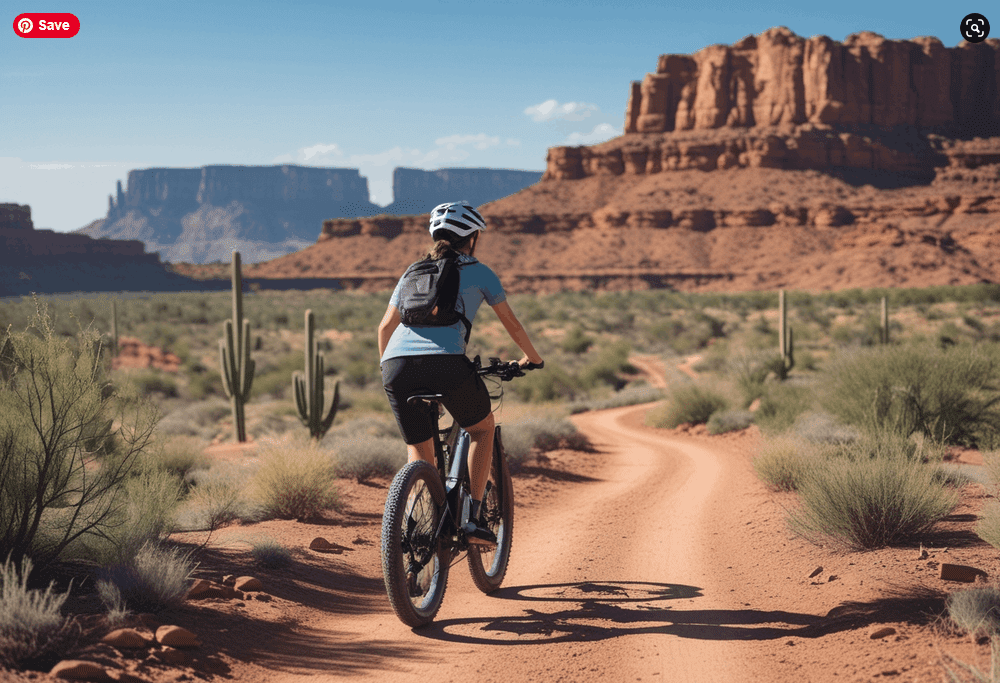
Arizona has some of the most rewarding e-bike riding in the country. Trails cut through red rock canyons, saguaro-studded desert flats, and cool pine forests at higher elevations.
Whether you're in Scottsdale for a weekend or living in Tucson year-round, the top 10 e-bike trails in Arizona cover every ride style. You'll find everything from smooth paved greenways to rugged desert singletrack.
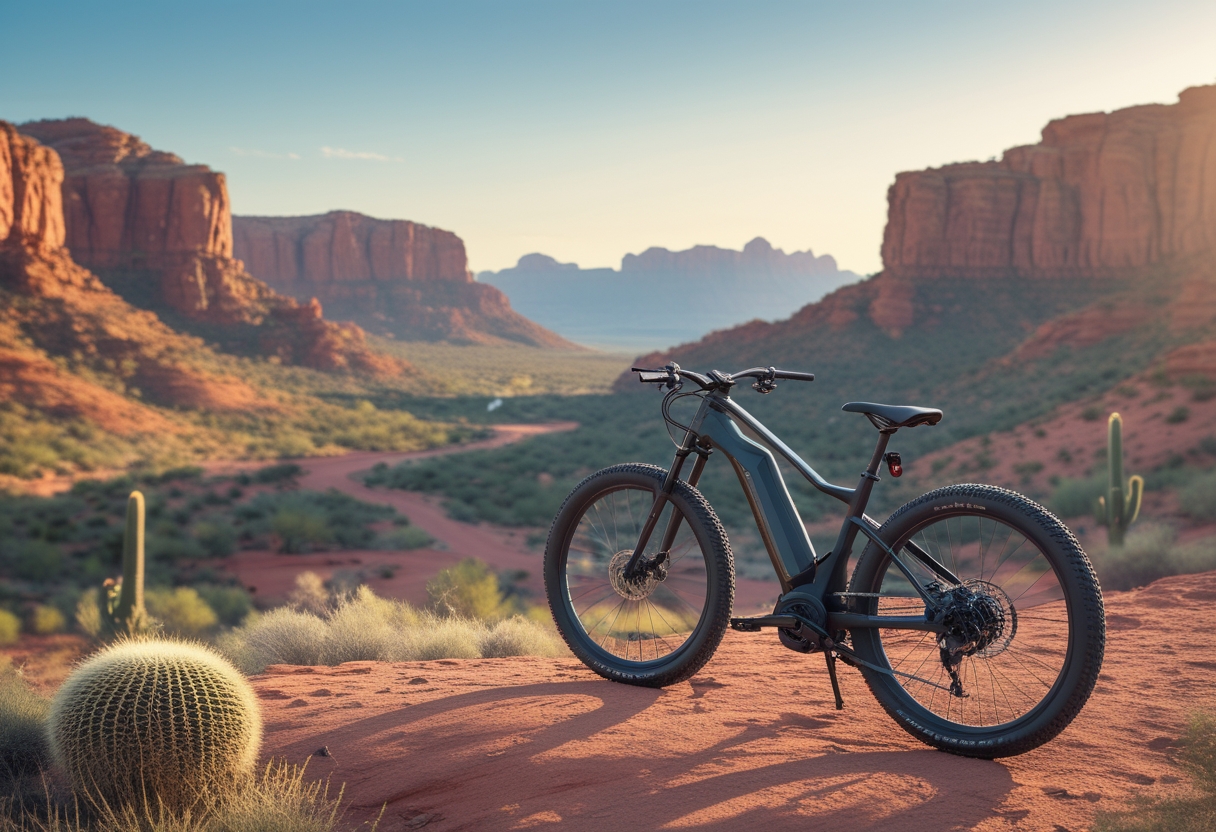
This guide breaks down each trail by location, distance, surface type, difficulty, e-bike access rules, and on-the-ground logistics. Pick the right ride without second-guessing—routes here suit first-timers, fitness-focused cyclists, and everyone somewhere in the middle.
These trails span the state from the Sonoran Desert lowlands near Phoenix and Tucson up to cooler elevations around Flagstaff, Prescott, and Sedona. Each profile includes notes on parking, restrooms, battery range, and the best time of year to ride.
Heat, hydration, and sand conditions—yeah, those matter a lot in Arizona. You'll want to plan for all three.
Key Takeaways
- Arizona offers e-bike-legal trails across desert, paved greenway, rail trail, mountain, and scenic path categories. There are solid options for beginners and intermediate riders.
- Heat management, battery range planning, and checking current local e-bike regulations are the big three prep steps before any ride here.
- Each of the 10 trail profiles covers surface type, distance, difficulty, parking, restrooms, and charging details. Plan a complete ride day—no guesswork needed.
Quick Picks by Ride Style
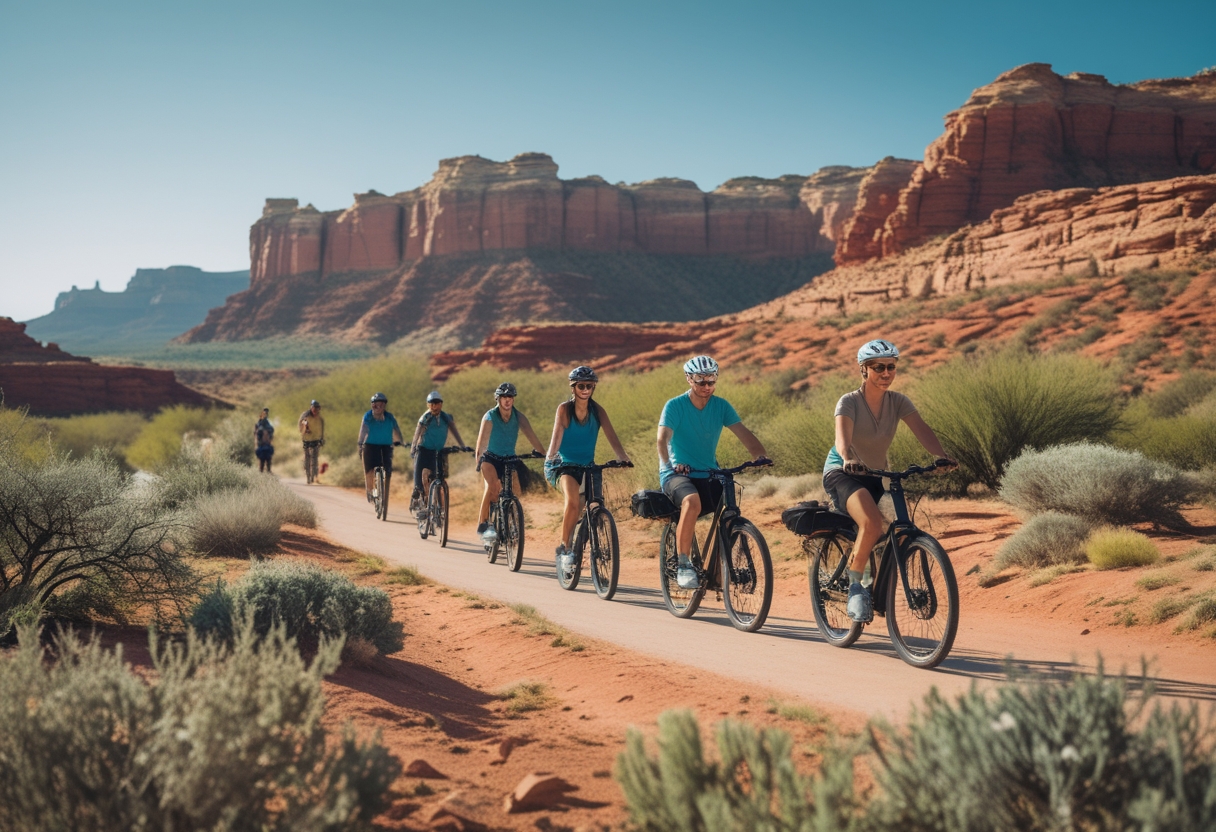
Choosing the right trail really starts with knowing what kind of ride you want. Here’s a quick reference by ride style, so you can skip straight to the trails that fit your goals and terrain preferences.
Best Desert Routes
If you want classic Sonoran Desert scenery with saguaro cacti, rocky washes, and open sky, check out Brown's Ranch Trails in north Scottsdale and the Apache Wash Trail System near North Phoenix. Both offer packed dirt and natural surfaces with moderate elevation changes.
They're best ridden October through April when the temps don’t fry you.
Best Paved Greenways
The Loop in Tucson is Arizona's top paved greenway, offering over 130 miles of car-free paths. Papago Park Paths in Phoenix give you a shorter, family-friendly paved option with easy access to city amenities.
Both are flat, smooth, and open to Class 1 and Class 2 e-bikes.
Best Rail Trails
Prescott Peavine National Recreation Trail follows a historic rail corridor through granite boulders and Watson Lake. The crushed-gravel surface is smooth and mostly flat, making it a relaxed ride.
Best Mountain Routes
Flagstaff Urban Trail System (FUTS) climbs through ponderosa pine forest at 7,000 feet. This network mixes paved segments with natural-surface connectors that’ll challenge your legs and your battery.
Best Scenic Paths
Sedona Bike Path Network and West Fork River Path deliver Arizona's most photogenic riding. Expect red rock views, creek crossings, and forested canyon walls.
These trails are best with a slower pace and plenty of stops for photos.
Trail Profiles 1-5
The first five trails range from rugged desert singletrack in the McDowell Sonoran Preserve to the longest paved urban loop in the Southwest. Each profile covers what you need to plan your ride from start to finish.
Brown's Ranch Trails
Location: McDowell Sonoran Preserve, North Scottsdale
Distance: 15+ miles of interconnected loops
Surface: Natural desert dirt, rocky sections, sandy washes
Difficulty: Intermediate
E-Bike Rules: Class 1 e-bikes are permitted on designated multi-use trails within the McDowell Sonoran Preserve. Class 2 and Class 3 are restricted. Always check current rules at the trailhead kiosk.
Brown's Ranch Trailhead gives you direct access to some of Scottsdale's best desert riding. The terrain mixes packed dirt with loose rock and short sandy stretches, so a mid-drive motor with good torque really helps.
Expect rolling elevation changes of 200 to 500 feet per loop. It’s not a huge climb, but you’ll feel it after a few laps.
Parking and Restrooms: Brown's Ranch Trailhead has a large paved parking lot and vault restrooms. It fills up on weekend mornings between November and March, so arriving before 8 a.m. is smart.
Charging: There aren't on-trail charging stations. The closest options are in Scottsdale Quarter, about 10 minutes south by car.
Bring a fully charged battery and maybe a spare if you plan to go long.
Best For: Intermediate riders who want authentic desert singletrack with good trail infrastructure.
The Loop
Location: Tucson, Pima County
Distance: 130+ miles of connected paved paths
Surface: Smooth asphalt
Difficulty: Easy to moderate (depends how far you go)
E-Bike Rules: Class 1 and Class 2 e-bikes are allowed. Class 3 e-bikes are restricted. Speed limits of 15 mph apply in busy spots.
The Loop, also called the Chuck Huckelberry Loop, is a car-free, paved multi-use path system that circles through Tucson and the surrounding Pima County area. It connects to Rillito River Park, Santa Cruz River Park, Pantano River Park, and Julian Wash Greenway.
You can ride 20 miles or 80 miles depending on how many segments you link. The path is flat and wide, so it’s perfect for riders new to e-bikes or anyone who wants a relaxed pace without technical stuff.
Water fountains and shade ramadas pop up every few miles along major segments.
Parking and Restrooms: Dozens of trailhead access points line the route, many with free parking and restrooms. Brandi Fenton Memorial Park and Rillito Regional Park are popular starting spots.
Charging: There aren’t any dedicated e-bike charging stations on the path. Coffee shops and restaurants along River Road and Campbell Avenue might let you plug in if you ask nicely.
Best For: Beginners, long-distance riders, and anyone who wants paved, flat, car-free riding with easy bail-out points.
Prescott Peavine National Recreation Trail
Location: Prescott, Yavapai County
Distance: About 5.5 miles one way (11 miles out and back)
Surface: Crushed granite, packed gravel
Difficulty: Easy
E-Bike Rules: Class 1 e-bikes are allowed. Class 2 and Class 3 restrictions may apply on certain segments managed by the Prescott National Forest. Check with the Bradshaw Ranger District for the latest access info.
The Peavine Trail follows a former Santa Fe Railroad grade through granite boulders and along Watson Lake. The grade barely tops 2%, so battery drain is minimal and the ride fits all fitness levels.
Views of the Granite Dells rock formations are the highlight here.
Parking and Restrooms: There's a trailhead parking area off Prescott Lakes Parkway, with portable restrooms available seasonally. Watson Lake Park nearby offers more parking and flush restrooms for a small day-use fee.
Charging: No trail-side charging. Downtown Prescott is about 4 miles away, and a few bike shops there may help out.
Best For: Easy rail-trail riding with unique geology and a cool-weather escape from the Phoenix heat.
Papago Park Paths
Location: Phoenix and Tempe border
Distance: About 5 miles of paved paths in the park, with connections to the Arizona Canal Path and Tempe Town Lake
Surface: Paved asphalt
Difficulty: Easy
E-Bike Rules: Class 1 and Class 2 e-bikes are permitted on paved multi-use paths. Stay off unpaved hiking-only trails in the park.
Papago Park sits between Phoenix and Tempe. You'll find a compact network of paved paths winding past the Desert Botanical Garden, Phoenix Zoo, and the iconic Hole-in-the-Rock formation.
The park's paths also connect to the Arizona Canal multi-use path, which lets you extend your ride toward Scottsdale or into central Phoenix. The terrain is basically flat with only minor grades.
It's a quick, accessible ride—great for a morning loop or a warm-up before heading out on a longer canal path ride.
Parking and Restrooms: Multiple free parking lots are scattered throughout the park. Restrooms are near the ramadas and at the Phoenix Zoo entrance.
Charging: No dedicated e-bike charging. Tempe Marketplace shopping center, about 1.5 miles south, has standard outlets at some restaurants.
Best For: Beginners and families wanting a short, scenic, and well-supported ride near central Phoenix.
Apache Wash Trail System
Location: Sonoran Desert, North Phoenix (near Carefree Highway and I-17)
Distance: 10+ miles of interconnected natural-surface trails
Surface: Packed desert dirt, loose rock, sandy washes
Difficulty: Intermediate
E-Bike Rules: Class 1 e-bikes are currently permitted on designated trails. Always check with the City of Phoenix Parks and Recreation Department before heading out, since access rules sometimes change.
Apache Wash offers a quieter desert trail vibe than the busy McDowell Sonoran Preserve. You’ll wind through open terrain dotted with low scrub, barrel cacti, and creosote bush.
Some washes get soft and sandy after wind or rain. If you’ve got wider tires (2.4 inches or more), you’ll get better traction out here.
Elevation changes are moderate, typically 100-300 feet per loop. Weekdays see lighter foot traffic, so you can ride without much interruption.
Parking and Restrooms: There’s a trailhead parking lot off Sonoran Desert Drive. Restrooms are just portable facilities—nothing fancy.
Charging: No charging here. Come with a full battery, and maybe a backup if you plan to ride more than 15 miles.
Best For: Intermediate riders looking for a less-crowded desert trail with some moderate technical sections.
Trail Profiles 6-10
The next five trails take you outside the Phoenix metro area. You’ll get cooler temps, dramatic scenery, and more variety in surface and terrain—definitely a change of pace.
Sedona Bike Path Network
Location: Sedona, Yavapai County
Distance: About 10 miles of paved and natural-surface paths in and around town
Surface: Mix of paved path and packed red dirt
Difficulty: Easy to moderate
E-Bike Rules: Class 1 e-bikes are generally allowed on paved multi-use paths in Sedona. Access to Coconino National Forest trails varies, and some singletrack prohibits all motorized use, even e-bikes. Double-check at the Red Rock Ranger District office or at trailhead signs before you ride.
Sedona’s bike path system links neighborhoods, parks, and shops, with Cathedral Rock, Bell Rock, and Courthouse Butte showing off in the background. The paved Sedona Bike Path follows State Route 89A and splits into several connectors.
Packed-dirt stretches near cultural parks and along the creek mix things up, but nothing too technical. Short climbs and descents pop up, especially between the Village of Oak Creek and uptown Sedona.
Parking and Restrooms: Posse Grounds Park and the Sedona Bike Park have free parking and restrooms. On weekends in spring and fall, expect full lots.
Charging: No official e-bike charging stations, but several bike shops in Sedona offer rentals and might let you charge. Try Thunder Mountain Bikes or Over the Edge Sedona.
Best For: Riders wanting red rock views on mostly paved paths, with the option to branch onto short dirt connectors.
West Fork River Path
Location: Oak Creek Canyon, north of Sedona (Coconino National Forest)
Distance: About 3 miles one way to the first major creek crossing (6 miles out and back)
Surface: Packed dirt, some rock, creek crossings
Difficulty: Moderate
E-Bike Rules: This trail sits inside Coconino National Forest. As of early 2026, motorized vehicles—including Class 1 e-bikes—aren’t allowed on the West Fork Trail itself. You can ride paved and designated forest roads nearby, but always check the Coconino National Forest website for updates before you go.
West Fork makes the list because it’s close to Sedona and is often called one of Arizona’s most scenic canyon hikes. Definitely confirm e-bike access before you plan to ride here.
If e-bikes ever get the green light, you’ll ride through a narrow canyon with towering red and orange walls. Water crossings are frequent, so waterproof footwear is a must, and the trail squeezes down in several spots.
Parking and Restrooms: The West Fork Trailhead has a day-use parking lot off Highway 89A (about $12 per car). It fills up fast on weekends. Vault restrooms are at the trailhead.
Charging: None here.
Best For: Experienced riders ready for mixed terrain and water crossings—if e-bikes are ever allowed.
Flagstaff Urban Trail System
Location: Flagstaff, Coconino County
Distance: 56+ miles of interconnected trails
Surface: Mix of paved asphalt, crushed gravel, and natural surface
Difficulty: Easy to moderate
E-Bike Rules: Class 1 e-bikes are allowed on paved FUTS segments within Flagstaff city limits. Some natural-surface trails that enter Coconino National Forest may restrict e-bikes, so check with the City of Flagstaff or the Flagstaff Ranger District.
The Flagstaff Urban Trail System—locals call it FUTS—winds through ponderosa pine forests at about 7,000 feet. Summers rarely get hotter than 85°F, which feels amazing compared to the desert.
Paved sections are wide and well-marked, great for all skill levels. Gravel and dirt connectors add a little challenge and link up neighborhoods, parks, Northern Arizona University, and Thorpe Park.
Parking and Restrooms: Buffalo Park is a popular starting spot with free parking and restrooms. Wheeler Park near downtown works too, with shops and restaurants close by.
Charging: No dedicated charging on the trail, but downtown Flagstaff bike shops like Absolute Bikes sometimes help out. Cafes along the route occasionally have outlets.
Best For: Riders chasing cooler weather and a mix of paved and natural surfaces in a mountain town vibe.
Sonoran Desert Drive Corridor
Location: North Phoenix and Scottsdale
Distance: About 8 miles of paved multi-use path
Surface: Smooth paved asphalt
Difficulty: Easy
E-Bike Rules: Class 1 and Class 2 e-bikes are allowed. The path runs alongside Sonoran Desert Drive and links up with neighborhoods and trailheads nearby.
This paved corridor runs next to Sonoran Desert Drive through north Phoenix. It connects to the Apache Wash Trail System and nearby neighborhood paths.
The ride is mostly flat or gently rolling, with wide lanes and not much pedestrian traffic if you go on a weekday morning. Desert views stretch out in every direction, and you can spot Four Peaks and the McDowell Mountains to the east.
The pavement is smooth and well-kept.
Parking and Restrooms: Access points with parking are near Sonoran Desert Drive and Dove Valley Road. Restrooms are limited—mostly at nearby retail spots.
Charging: No on-path charging, but retail centers along the route may have outlets if you ask nicely.
Best For: Easy, flat paved rides with desert scenery—perfect for a warm-up before you hit nearby off-road trails.
Canoa Ranch Multi-Use Trail
Location: Green Valley, south of Tucson, Pima County
Distance: About 4 miles one way (8 miles out and back)
Surface: Paved asphalt
Difficulty: Easy
E-Bike Rules: Class 1 and Class 2 e-bikes are permitted. The trail is managed by Pima County.
Canoa Ranch hugs the Santa Cruz River corridor in Green Valley, roughly 30 miles south of Tucson. You’ll ride through restored grasslands and mesquite bosque inside the Canoa Ranch Conservation Park—keep an eye out for birds along the way.
The trail surface is smooth asphalt with a gentle grade. This route connects to a growing stretch of the Juan Bautista de Anza National Historic Trail, which follows the river.
Parking and Restrooms: There’s a trailhead parking lot with restrooms at the Canoa Ranch Conservation Park entrance off Interstate 19, exit 48.
Charging: No charging at the trailhead, but Green Valley has retail areas a few miles away.
Best For: Beginners and bird lovers looking for a flat, peaceful, well-kept paved trail in southern Arizona.
What to Know Before You Go
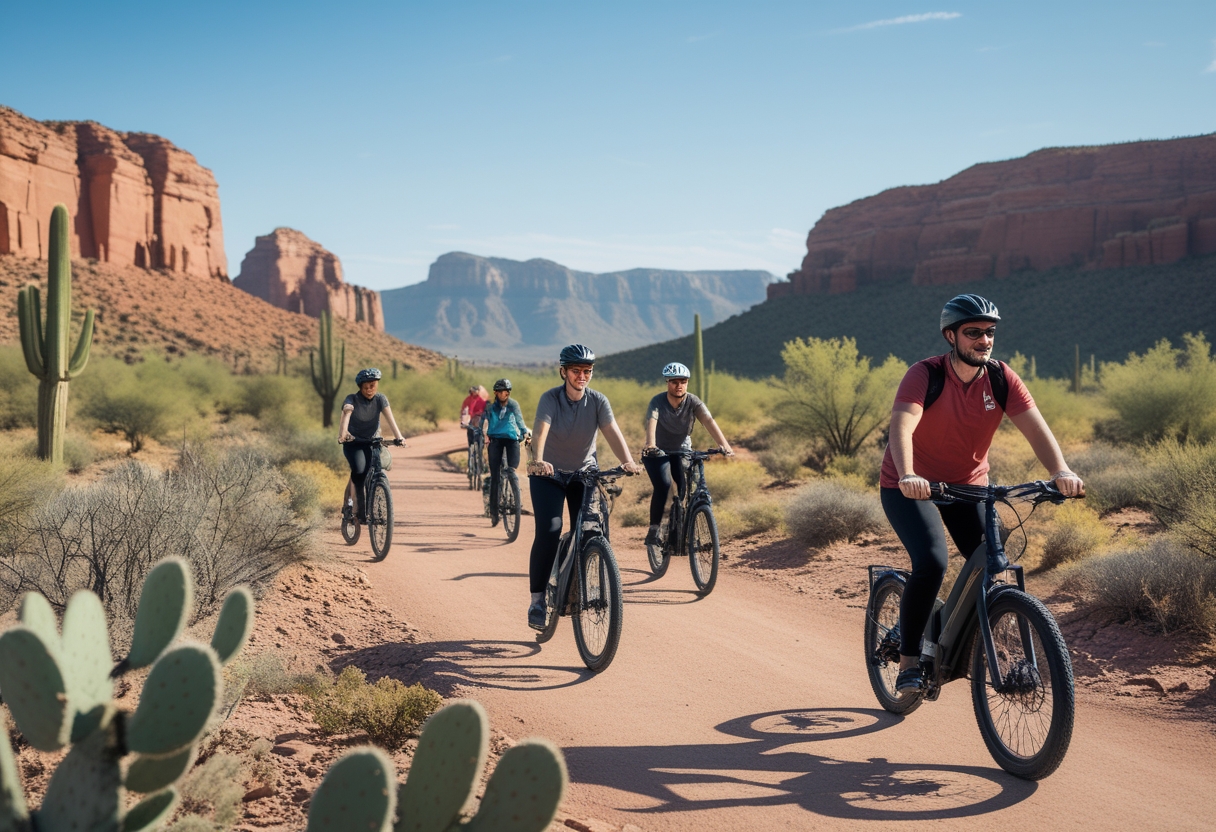
Arizona e-bike riding comes with a few quirks: access rules that change by land manager, serious desert heat, and battery range that drops with elevation and rough terrain. It’s not always straightforward.
Arizona E-Bike Access Rules
Arizona splits e-bikes into three classes:
- Class 1: Pedal-assist only, up to 20 mph. These are allowed on most multi-use trails statewide.
- Class 2: Throttle-assisted, up to 20 mph. Allowed on many paved paths, but some natural-surface trails don’t allow them.
- Class 3: Pedal-assist up to 28 mph. Usually limited to roads and bike lanes.
Trail access really depends on who manages the land, not just state law. City parks, county trails, Arizona State Parks, and federal lands (like BLM and National Forests) all have their own rules. The McDowell Sonoran Preserve, Coconino National Forest, and Prescott National Forest all do things differently.
Always check trailhead signs and the agency’s website before you ride. Rules change, and rangers do check at busy trailheads.
Heat and Sun Planning
From May through September, low-desert temps in Phoenix, Tucson, and Scottsdale often soar above 100°F. Riding above 95°F really ups your risk of heat exhaustion or even heat stroke.
Best bet: ride early, starting before 7 a.m. during summer. Bring at least 100 ounces of water per rider for any ride over an hour. Sun-protective clothing, a ventilated helmet, and SPF 50+ sunscreen aren’t optional—they’re essential.
Higher-elevation trails near Flagstaff, Prescott, and Sedona stay much cooler from late May through September, often 20 to 30 degrees below the desert’s highs.
Battery Range and Charging Stops
Desert terrain, headwinds, sandy washes, and elevation gain all drain your e-bike’s battery faster. A battery that claims 50 miles on pavement might only get you 25 to 35 miles on rocky desert trails with rolling climbs.
Start with a full charge and plan your ride using the lower end of your battery’s range. Carrying a second battery makes sense for rides over 20 miles on dirt or sand.
Dedicated e-bike charging stations are rare on Arizona trails. Your best bet for a mid-ride top-up is a bike shop in Sedona, Prescott, Flagstaff, or downtown Tucson. Sometimes coffee shops and restaurants near trailheads will let you plug in if you ask.
Trail Conditions and Ride Prep
Surface conditions in Arizona change with the season, weather, and trail location. Knowing what to expect helps you pick the right tires, pack smart, and avoid any nasty surprises.
Sand, Rocks, and Loose Washes
Desert trails often cross dry washes packed with soft sand. After monsoon storms from July through September, these washes shift and dump fresh sand or gravel onto trails that were once firm.
Wider tires—think 2.4 to 2.6 inches—make loose sections a lot easier than skinnier, road-style ones. Rocky bits show up all over trails like Brown's Ranch and Apache Wash.
Lower your tire pressure a bit (but check your tire's minimum rating) to get better grip on rocks. Thorns from jumping cholla and goathead plants pop up everywhere and cause flats, so thorn-resistant tubes or tire liners really are worth it.
Parking and Restroom Planning
Trailhead parking fills up fast at popular spots, especially from October through April. If you show up before 8 a.m. on weekends, you'll almost always find a spot.
Here's a quick reference for parking and restroom options:
| Trail | Parking Availability | Restrooms |
|---|---|---|
| Brown's Ranch | Large lot, fills early | Vault restrooms |
| The Loop (Tucson) | Dozens of access points | Yes, at major parks |
| Prescott Peavine | Moderate lot | Seasonal portables |
| Papago Park | Multiple lots, free | Yes |
| Apache Wash | Small lot | Portable only |
| Sedona Bike Path | Posse Grounds, others | Yes |
| West Fork | Fee lot, fills by 10 a.m. | Vault restrooms |
| Flagstaff FUTS | Buffalo Park, others | Yes |
| Sonoran Desert Drive | Roadside access | Limited |
| Canoa Ranch | Dedicated lot | Yes |
Choosing the Right Route for Skill Level
If you're just starting out on an e-bike, stick to a paved greenway like The Loop, Papago Park, or Canoa Ranch. These have no tricky obstacles, clear signs, and lots of easy places to bail if you need to.
If you're comfortable on dirt, try Brown's Ranch, Apache Wash, or the natural-surface parts of Flagstaff FUTS. You'll hit loose surfaces, some moderate climbs, and a few rocky bits that ask for a little bike handling skill.
If you've never ridden off-road, don't start on unfamiliar desert singletrack. Arizona desert terrain is way less forgiving than those groomed mountain bike parks in other states.
How to Compare the 10 Routes
Matching a trail to your goals, fitness, and how much time you have keeps things fun and safe. Here’s a look at how the 10 trails stack up for different types of riders.
Best Options for Beginners
New e-bike riders should go for paved, flat trails with solid infrastructure. The three best beginner picks:
- The Loop (Tucson): Flat, wide, paved, with water and restrooms at regular intervals.
- Papago Park Paths: Short, scenic, and close to city amenities.
- Canoa Ranch Multi-Use Trail: Quiet, flat, and well-maintained with its own parking lot.
All three allow Class 1 and Class 2 e-bikes and have almost no technical challenges.
Best Mid-Distance Days
If you're aiming for a 15- to 30-mile ride, check out these trails:
- The Loop: Pick any 20-mile section for a half-day cruise.
- Brown's Ranch Trails: Link up a few loops for 15 to 20 miles of desert riding.
- Flagstaff FUTS: Mix paved and gravel segments for a 15- to 25-mile journey through the pines.
Bring extra water and a spare battery on anything over 15 miles, especially if you're riding dirt.
Best Scenic Fitness Rides
If you want a workout with a view, try these:
- Sedona Bike Path Network: Rolling terrain with red rock views in every direction.
- Prescott Peavine Trail: Gentle grade through the Granite Dells, with Watson Lake as a turnaround.
- Flagstaff FUTS: Elevation around 7,000 feet adds a fitness challenge even on mellow grades.
These trails mix moderate effort with scenery that makes you forget you're working.
Frequently Asked Questions
Which Arizona trails are most suitable for e-bikes based on terrain, distance, and difficulty?
For paved, flat riding, The Loop in Tucson and Papago Park Paths in Phoenix are the easiest options. For moderate off-road terrain, Brown's Ranch Trails and Apache Wash Trail System offer 10 to 15+ miles of desert singletrack for intermediate riders. Prescott Peavine is the simplest rail trail at just over 5 miles one way.
What are the current e-bike rules and trail access restrictions on Arizona public lands and park systems?
Arizona recognizes Class 1, Class 2, and Class 3 e-bikes. Class 1 gets the most trail access, while Class 3 is mostly limited to roads. Every land manager—city, county, state, or federal—sets its own rules, so always check with whoever manages the trail and read the signs at the trailhead before you ride.
When is the best time of year to ride e-bike trails in Arizona, considering heat, storms, and trail conditions?
October through April is best for desert trails near Phoenix and Tucson, with temps from 60°F to 85°F. Flagstaff, Prescott, and Sedona trails at higher elevations are best from May through October. Avoid riding during active monsoon storms—flash floods can make washes and trails dangerous in minutes.
What battery range and elevation-gain planning is recommended for longer Arizona e-bike trail rides?
Plan your route using the low end of your battery's rated range. Desert terrain, headwinds, and rocky sections can cut your range by 30% to 50%. For rides over 20 miles on natural surfaces, bring a second battery. If you're riding at higher elevation around Flagstaff, expect your battery to drain faster on the climbs and in thinner air.
What essential gear, water capacity, and safety precautions are recommended for desert e-bike riding in Arizona?
Carry at least 100 ounces of water per rider for any ride longer than an hour in the desert. Bring thorn-resistant tubes or tire liners, a repair kit, sun-protective clothes, SPF 50+ sunscreen, and a fully charged phone. Let someone know your planned route and when you expect to be back. Riding alone on remote desert trails? Not a great idea.
Where can riders find e-bike-friendly trailheads, parking, charging options, and nearby rentals or repair services in Arizona?
Most trails on this list offer trailhead parking and usually have basic restroom facilities. You won't find many dedicated e-bike charging stations on Arizona trails, though.
If you need to charge up or rent a bike, your best bet is to check out bike shops in Scottsdale, Sedona, Prescott, Flagstaff, or Tucson. Thunder Mountain Bikes in Sedona, Absolute Bikes in Flagstaff, and several Tucson shops near The Loop handle rentals and repairs, and some might let you charge your battery on-site if you ask.
DISCLAIMER
This document is provided for general information purposes only and should not be relied upon as providing legal advice, technical, or specific operational guidance to the reader, whether as to the practices described in the document or the applicable legal requirements and regulations. justelectricbikes.com expressly disclaims any responsibility for liability arising from or related to the use or misuse of any information in this document.